
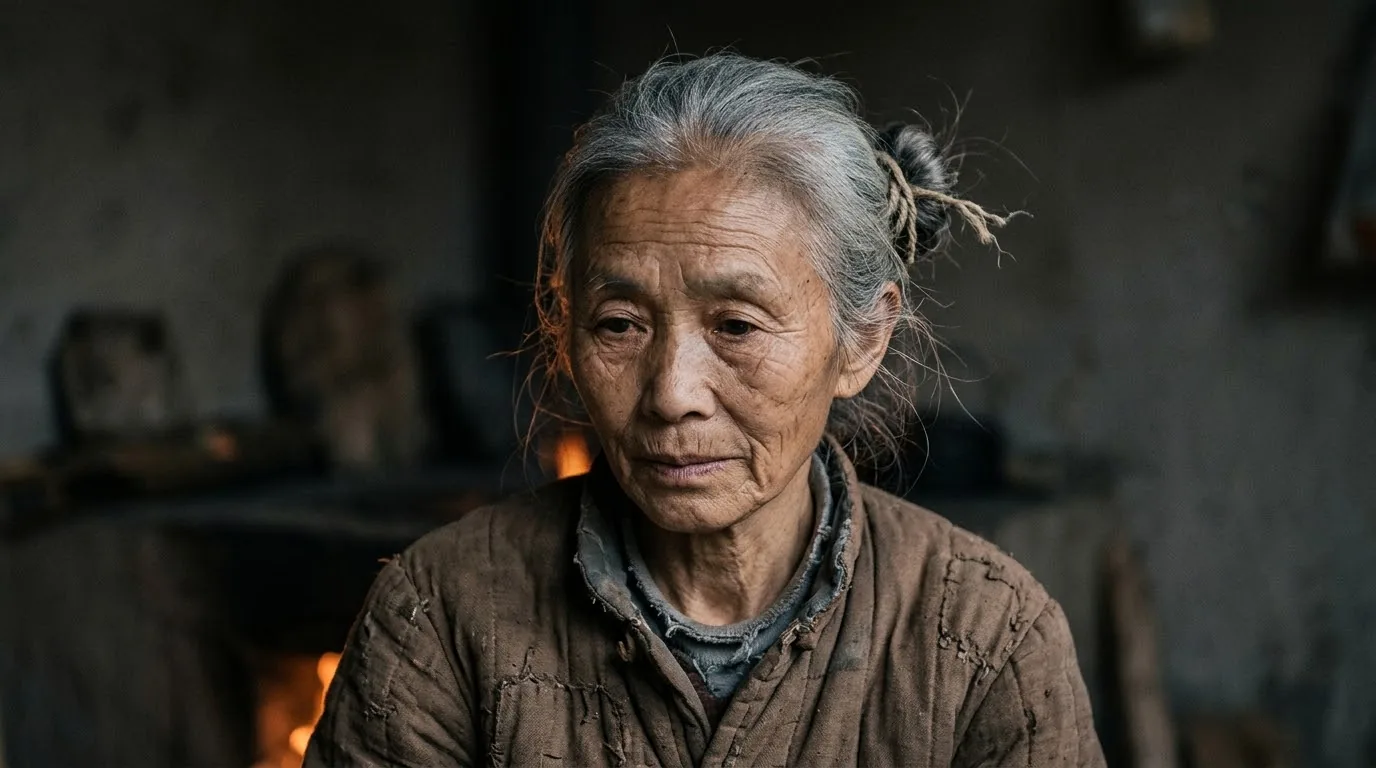
Twelve Chapters & Master Plates
Select any chapter below to read its full synopsis, visual plate, and act context.
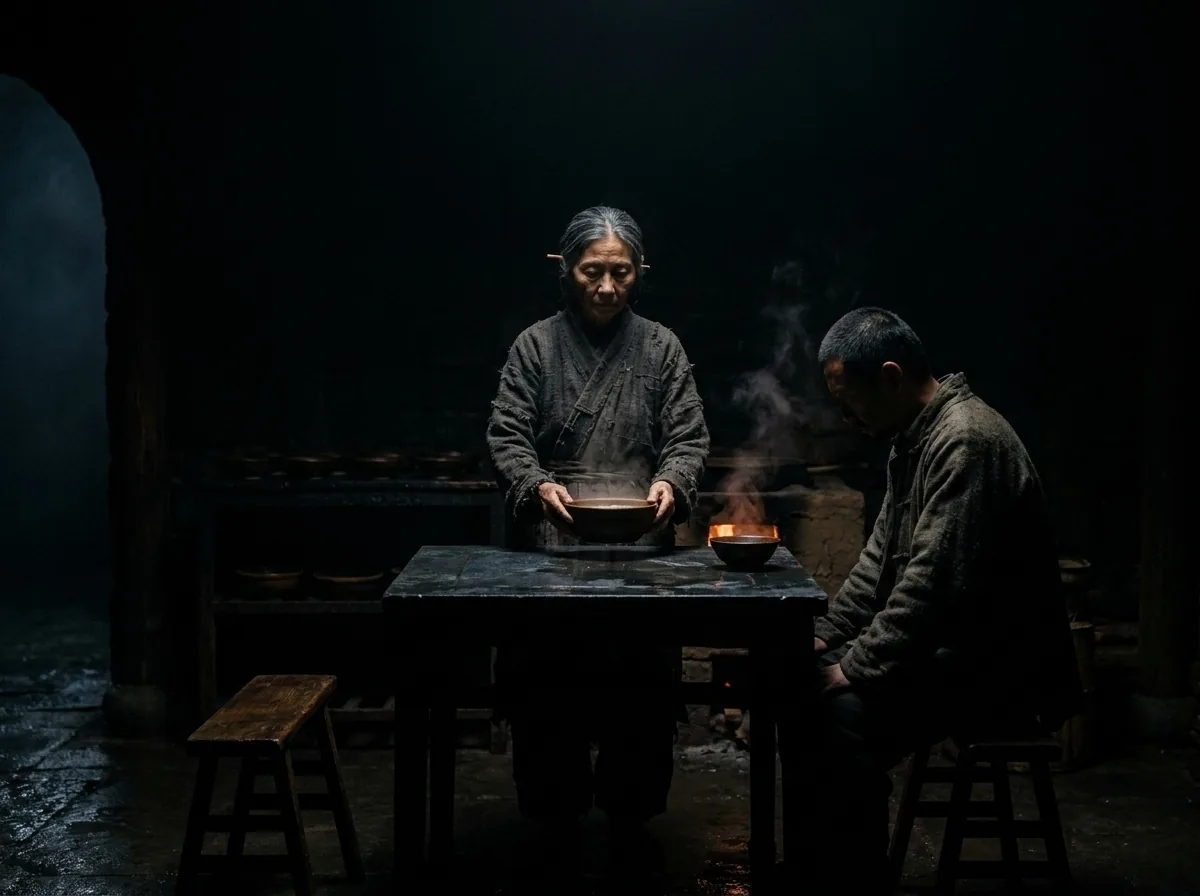
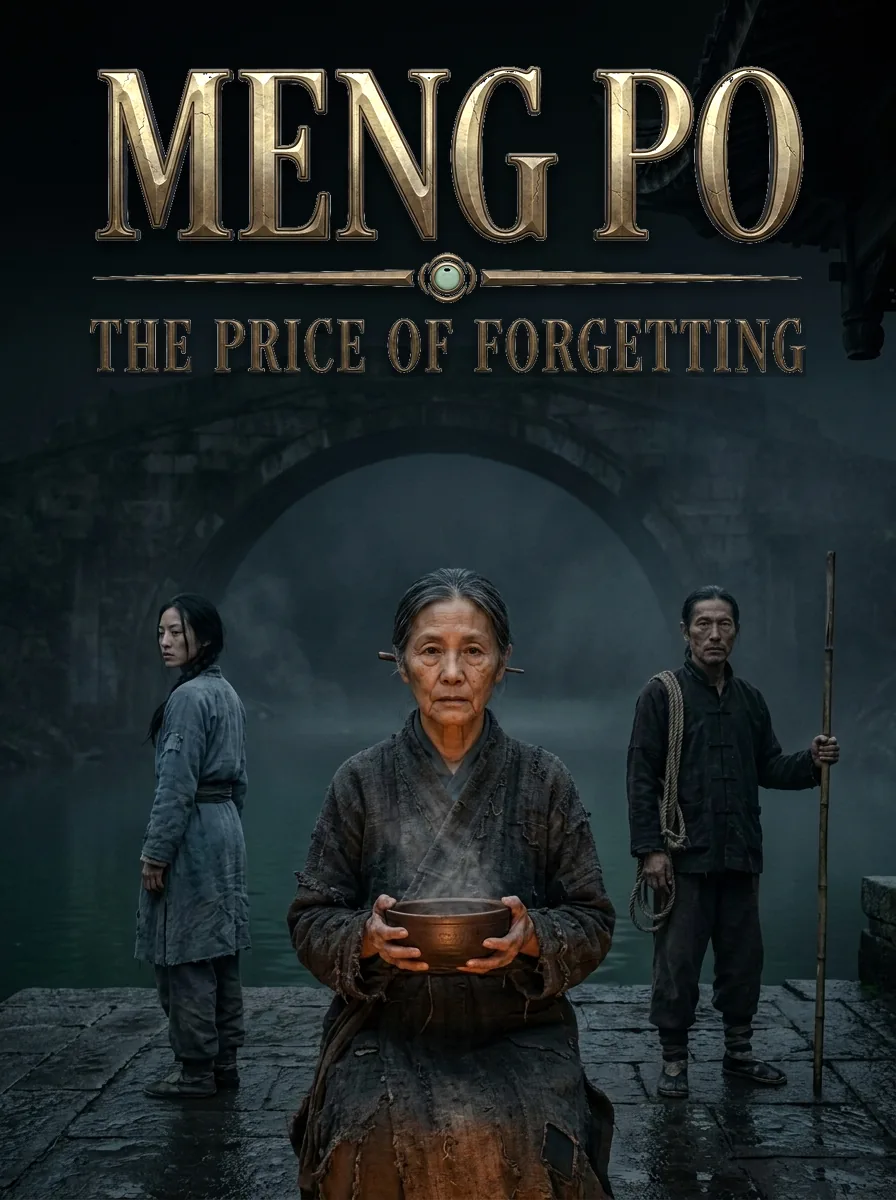
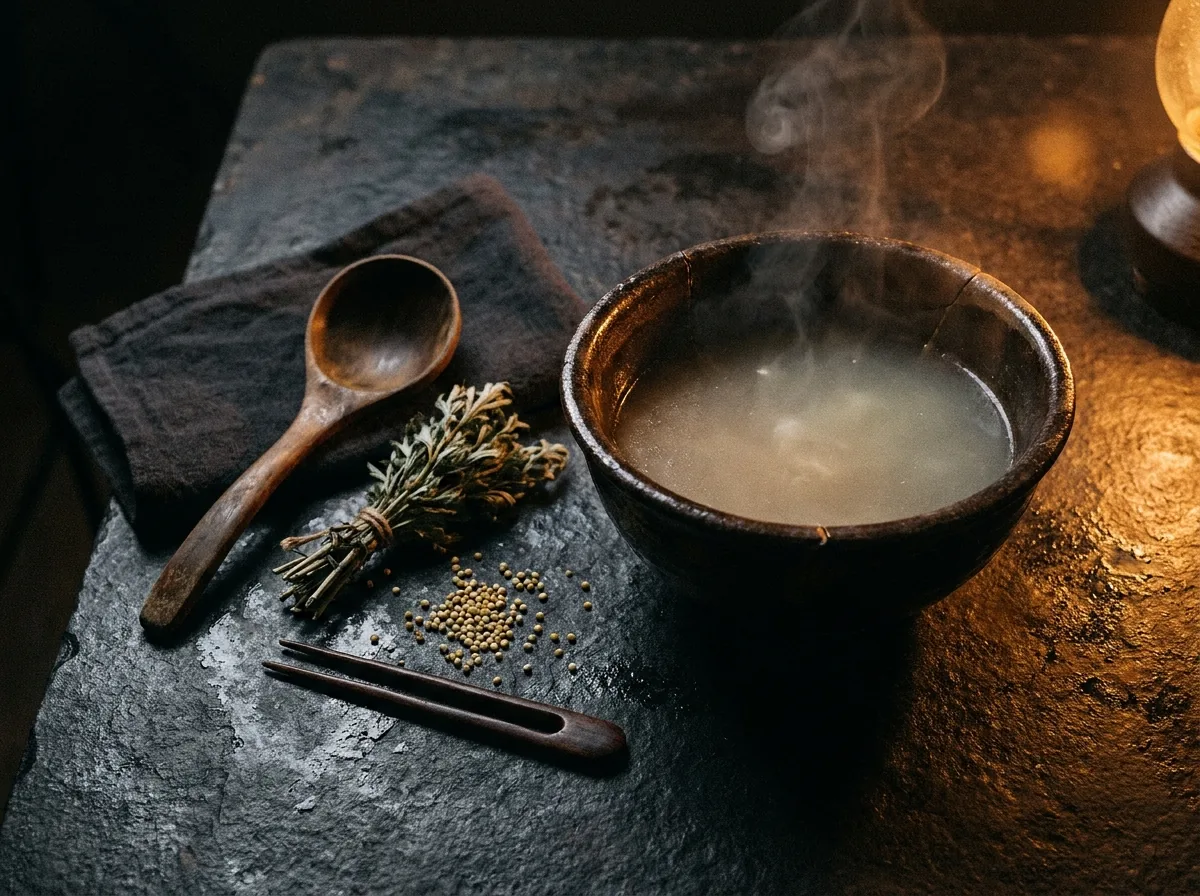
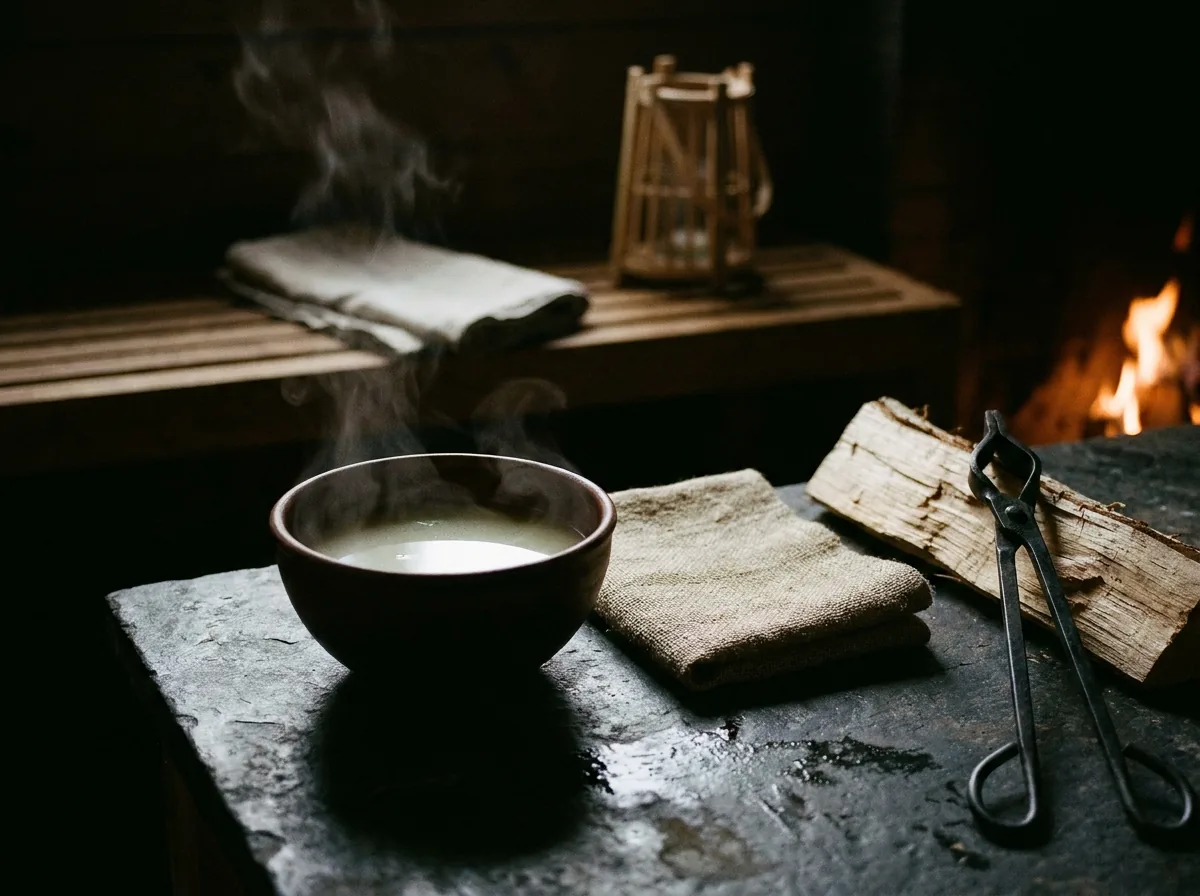
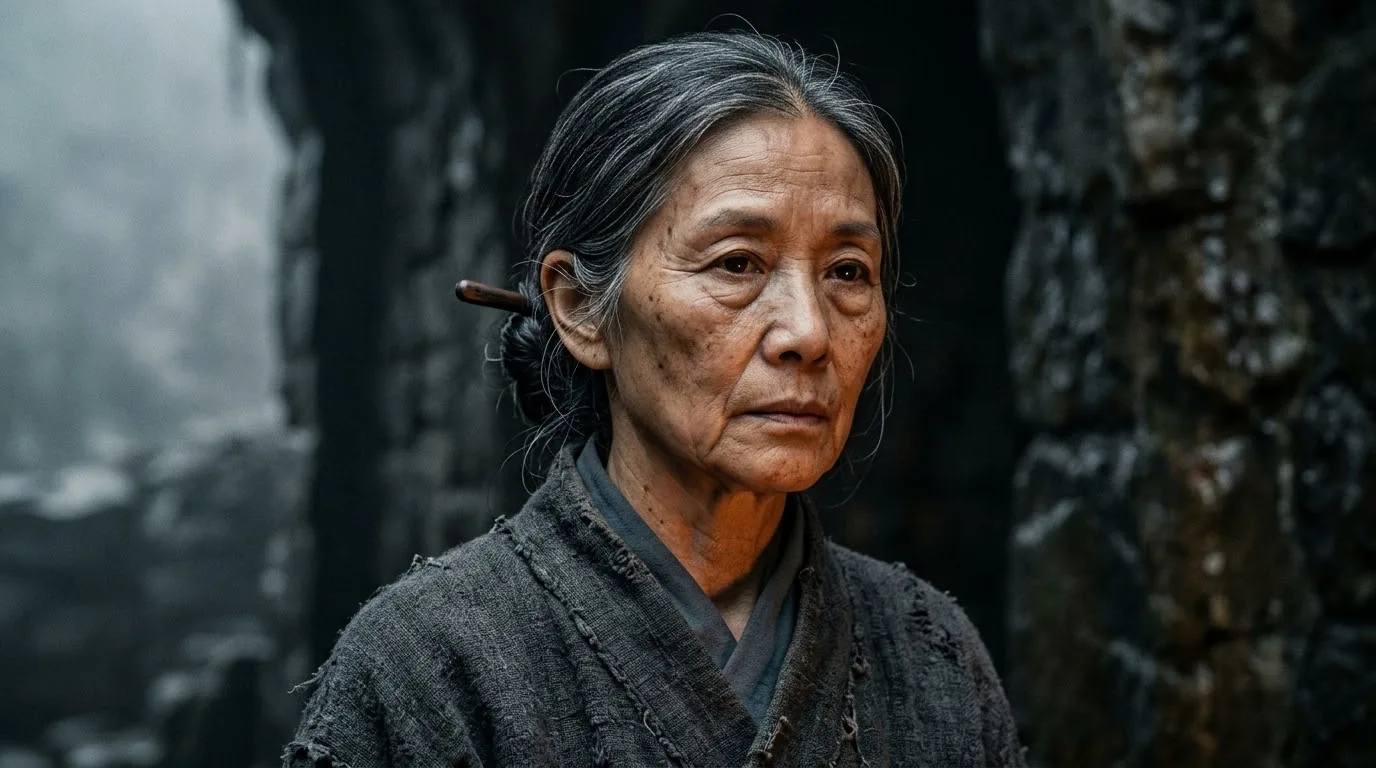
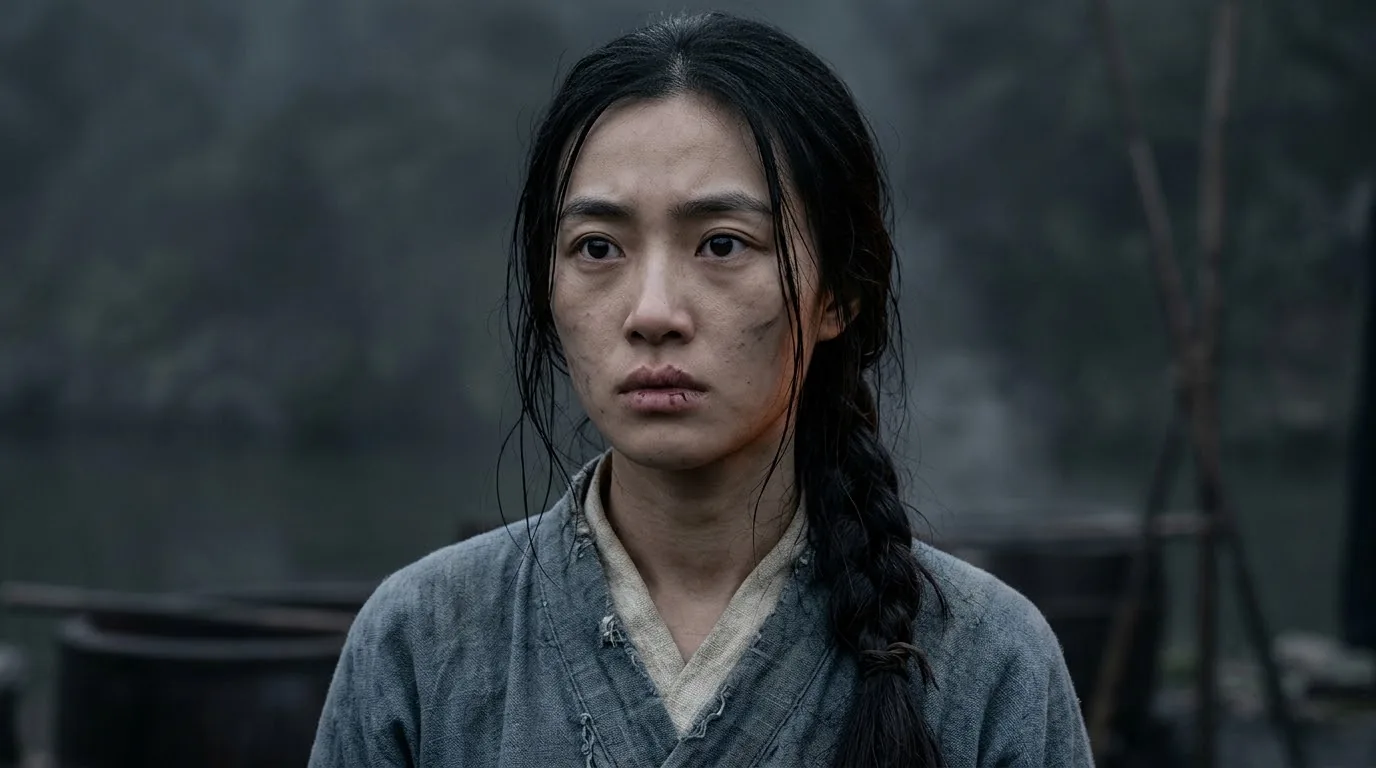
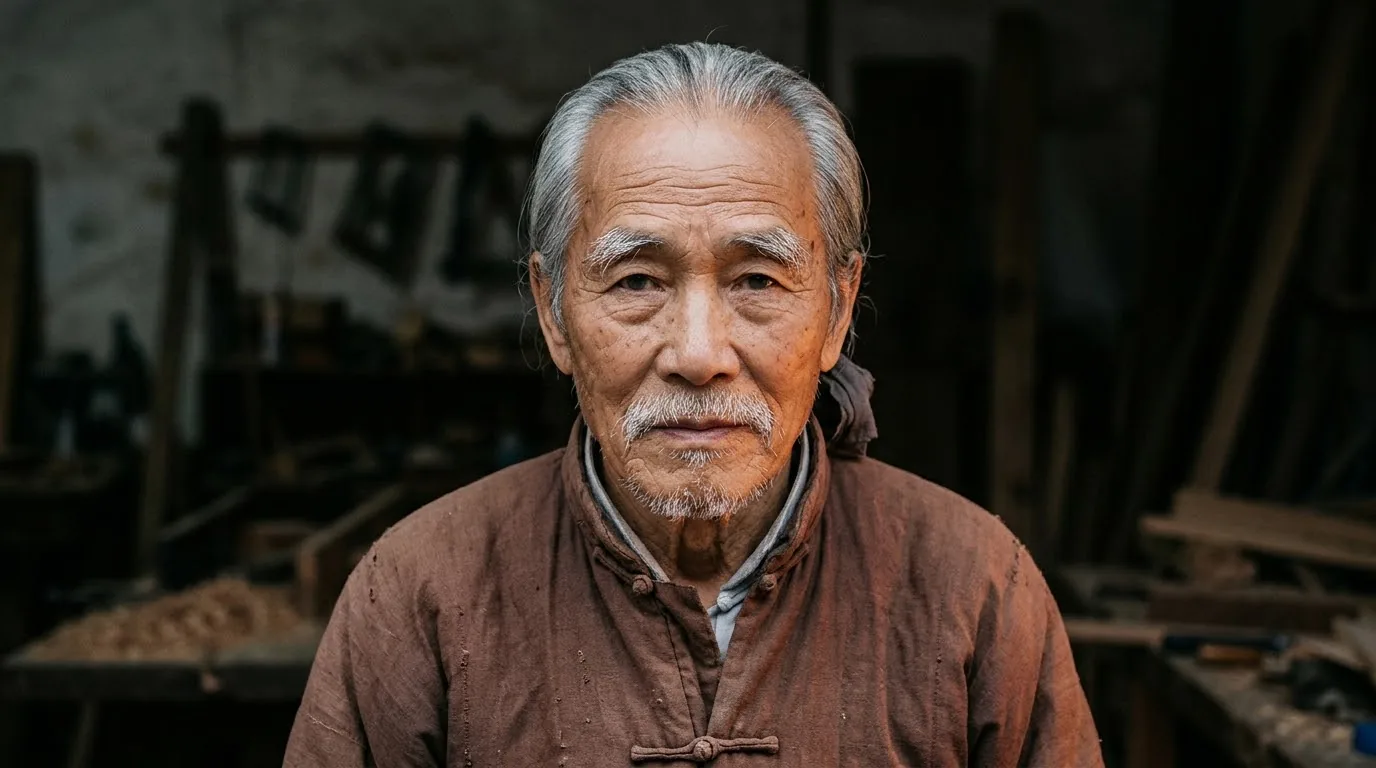
Beneath a sky forever arrested before dawn, Meng Po ladles the Soup of Forgetfulness at Naihe Bridge. A weary carpenter named Old Shen asks only for a moment to remember his wife's face—until a young woman named A-Lan pushes the clay bowl away, trembling at the sound of a child's voice that must not be forgotten.
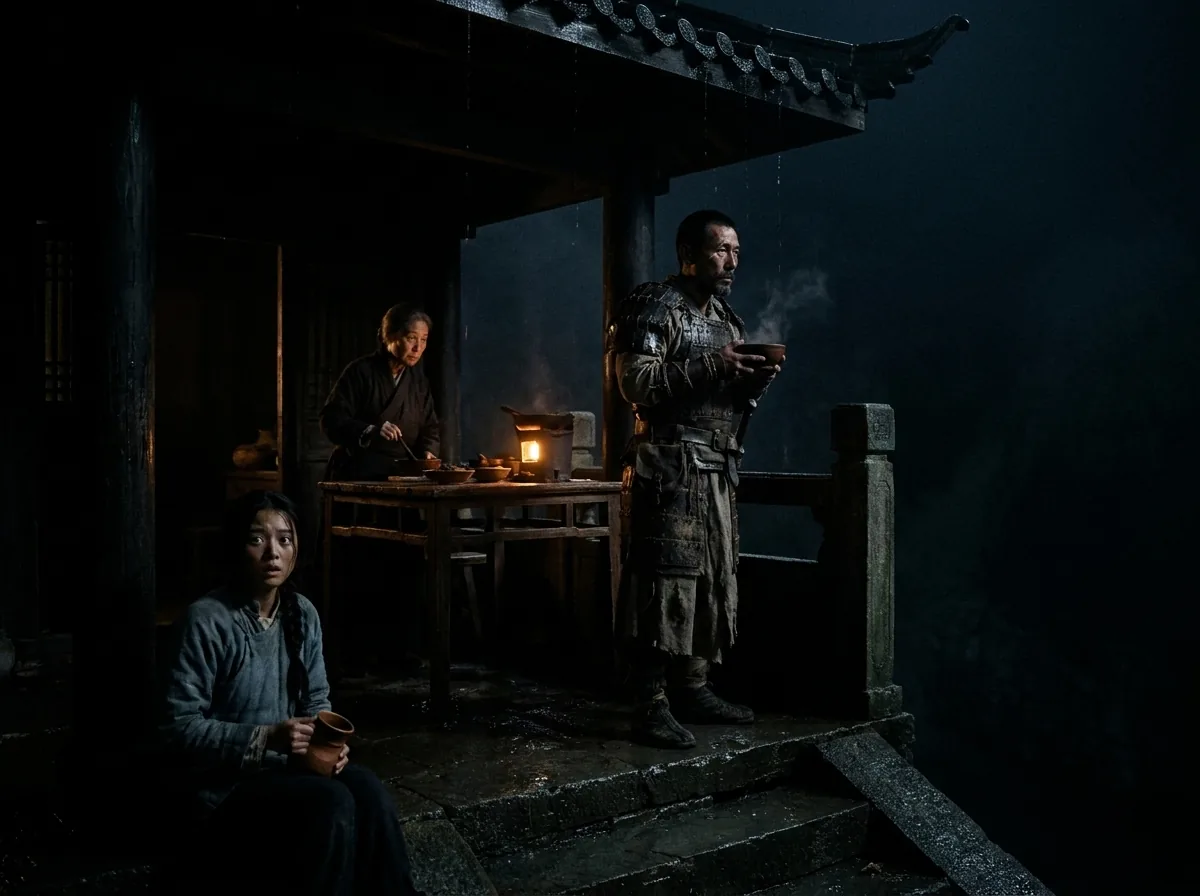
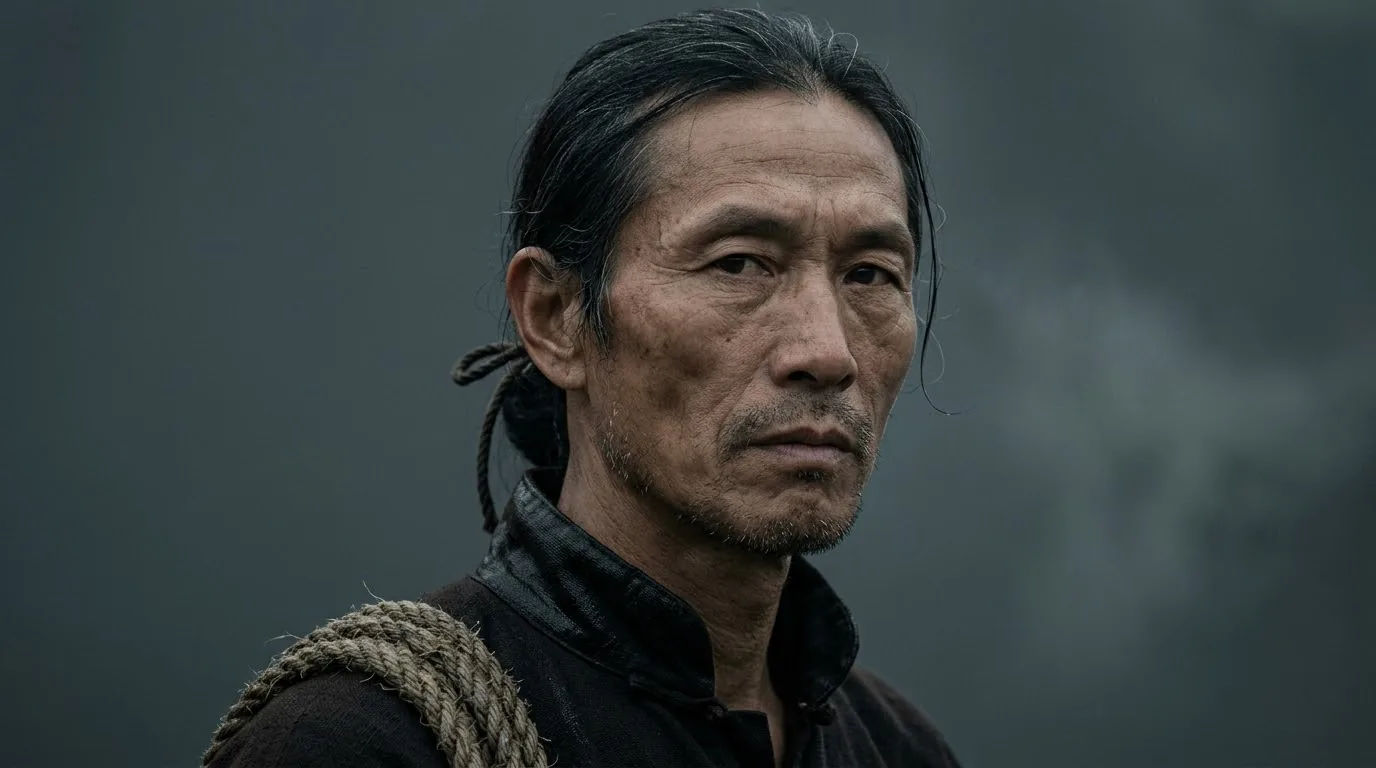
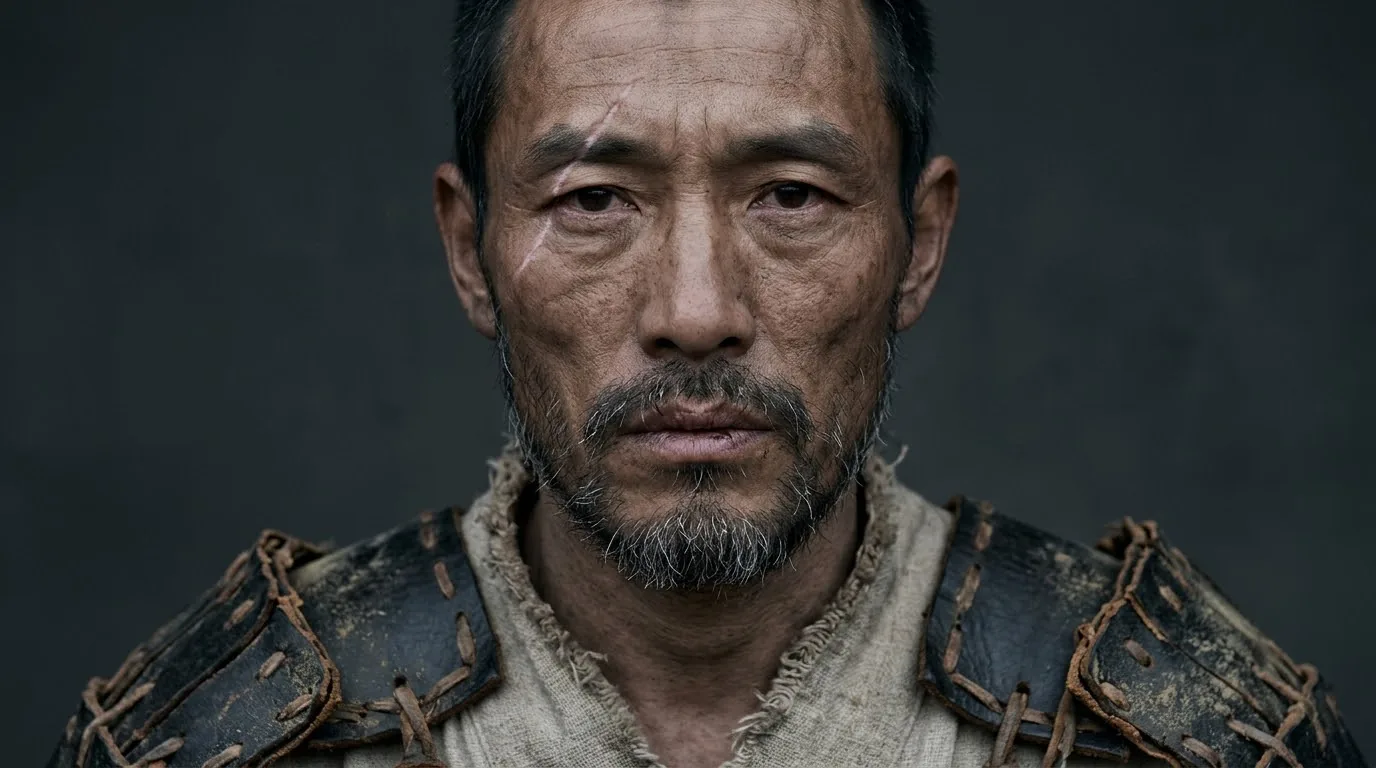
A-Lan lived twenty-three quiet years in a river-town dyehouse and never had a daughter or younger sister—yet she hears a child humming half a broken song. Then Wei Jun, a frontier soldier in centuries-old lacquered armor, arrives at the stone table and repeats the exact same phrase word for word.
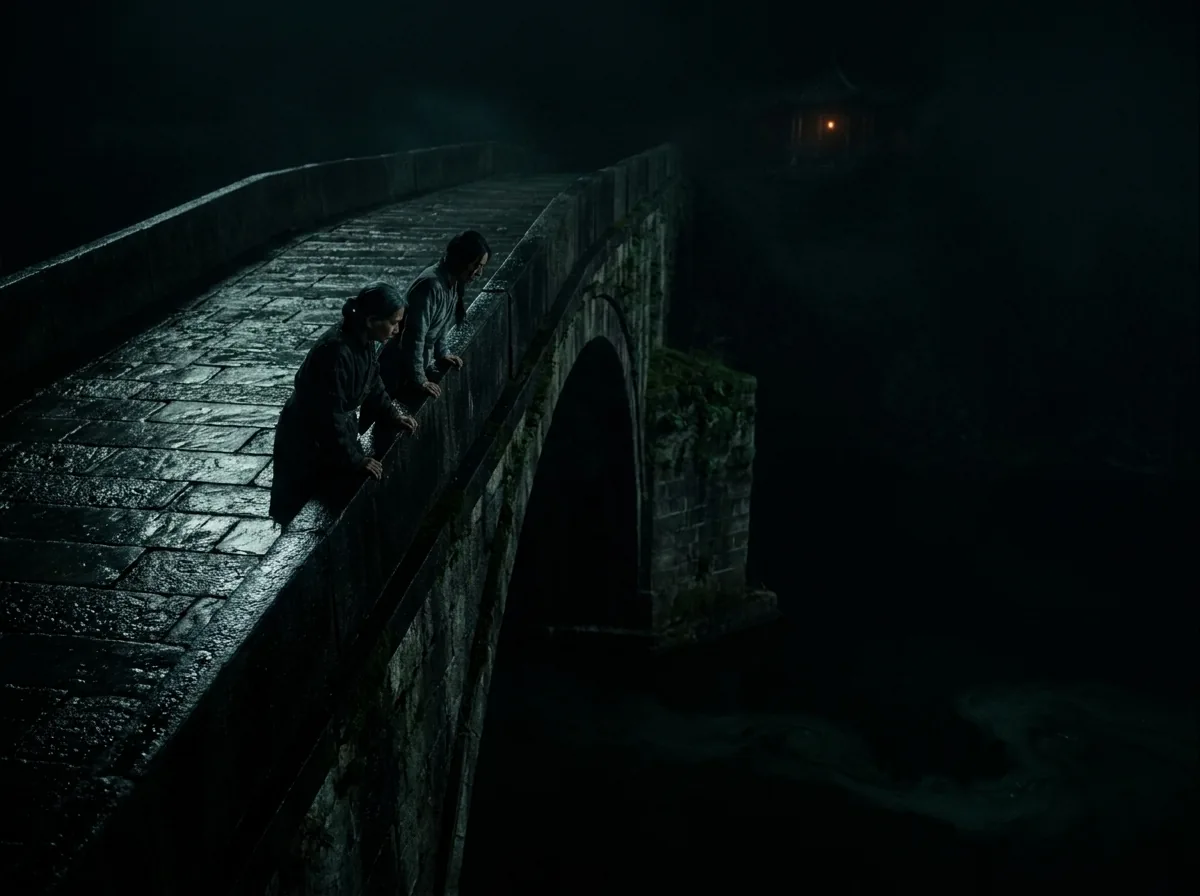
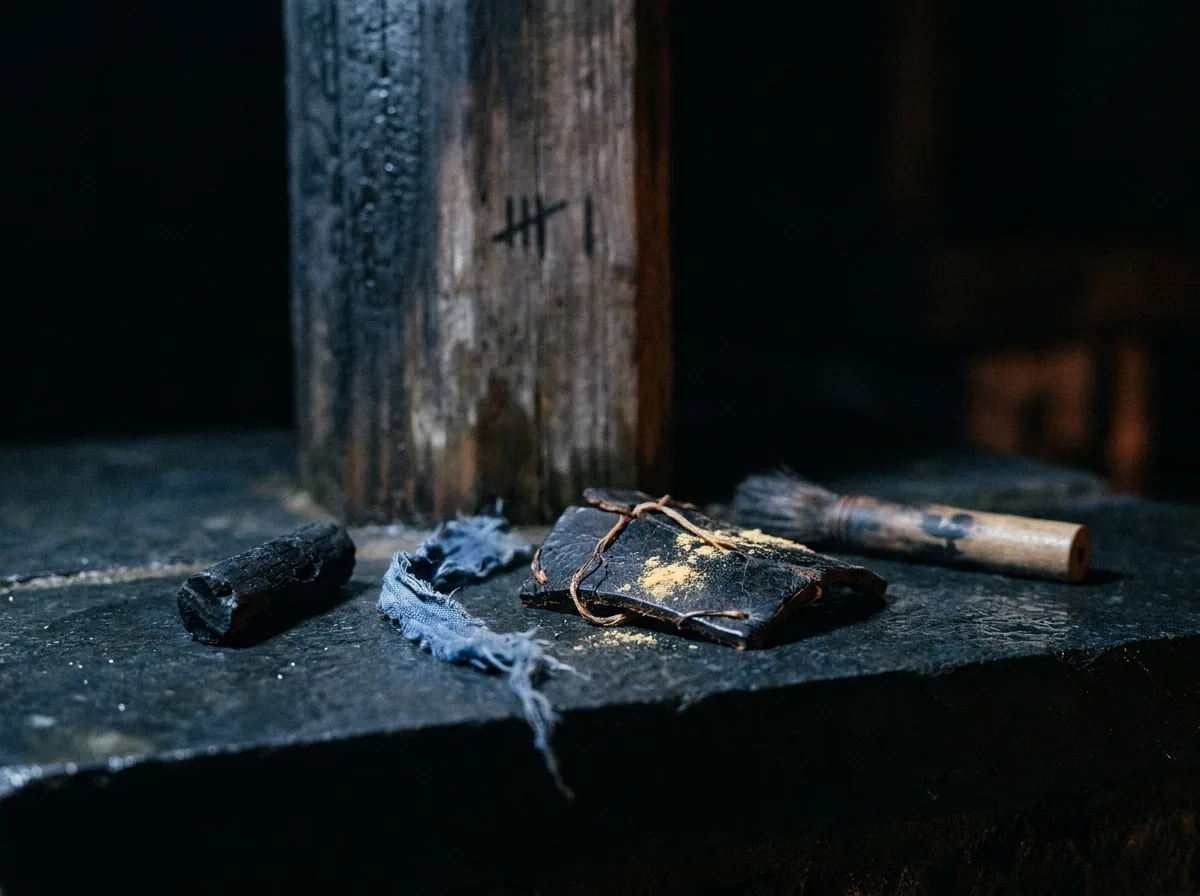
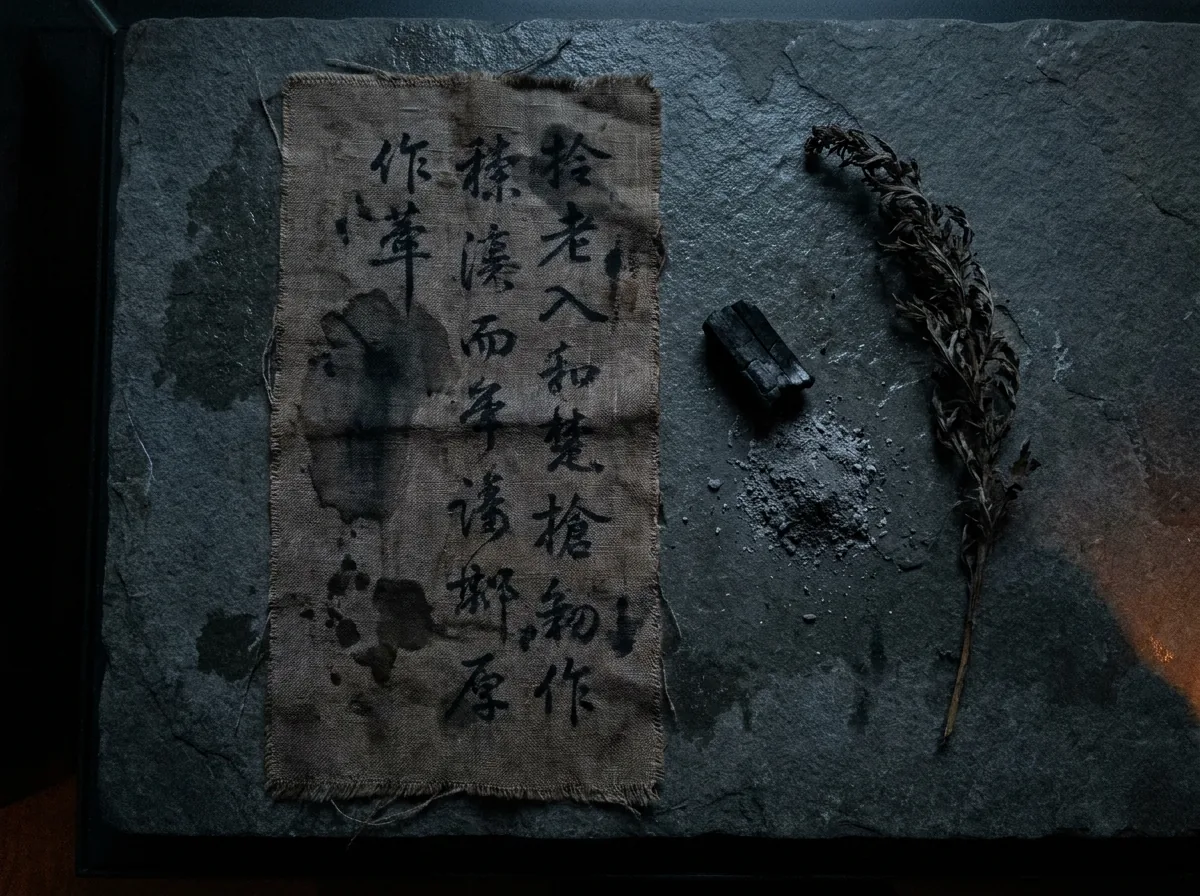
Meng Po marks the timber pillar with hearth charcoal as a third soul from another century hears the child's cry. Meanwhile, Old Shen realizes he can no longer recall which earlobe held his wife's mole. Stepping onto the bridge mid-span, Meng Po sees pale eddies refusing to sink beneath the River of Forgotten Lives.
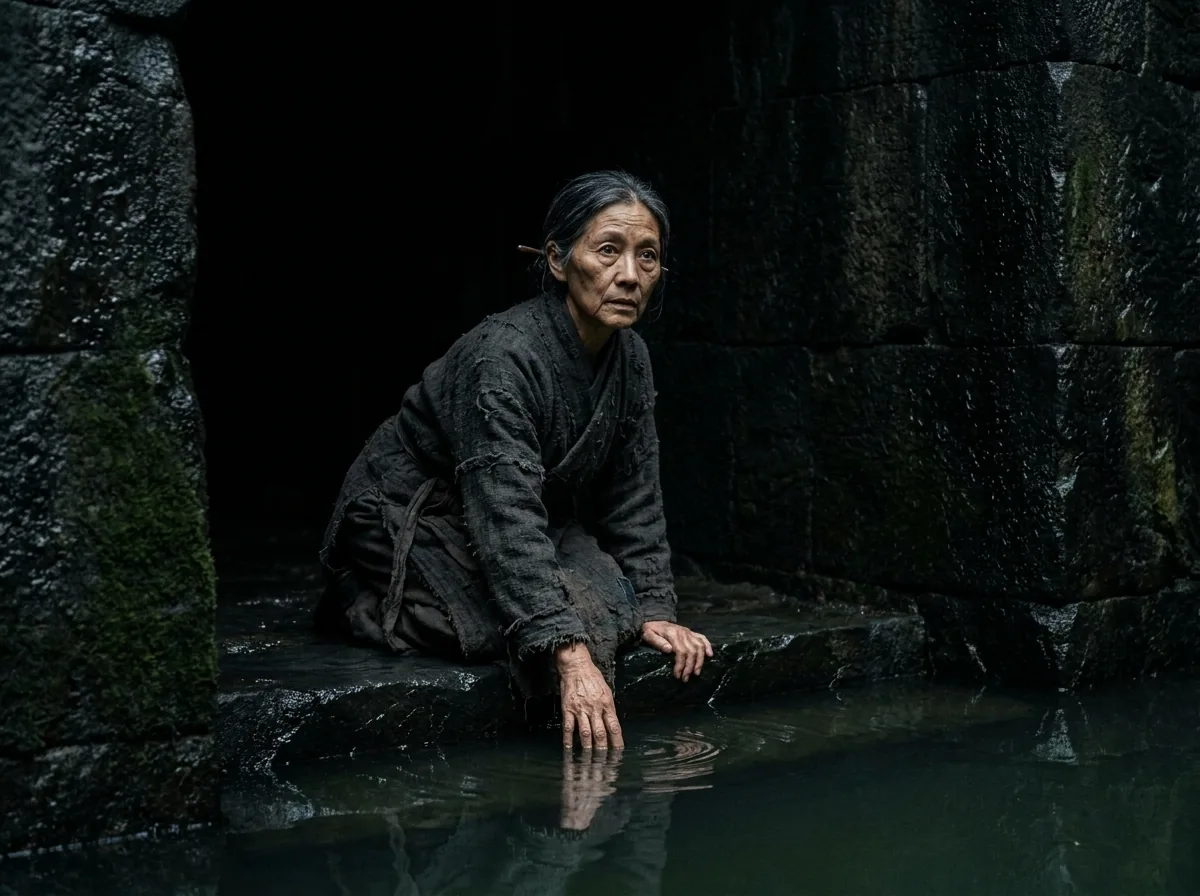
The Ferryman confronts Meng Po over more than twenty stalled souls threatening the tide of rebirth. Refusing to drive them across by force, Meng Po descends the wet stone steps and dips her burn-scarred fingers into the river—and feels a sudden, unmistakable ache in her chest, as if she once threw an unbearable farewell into these waters herself.
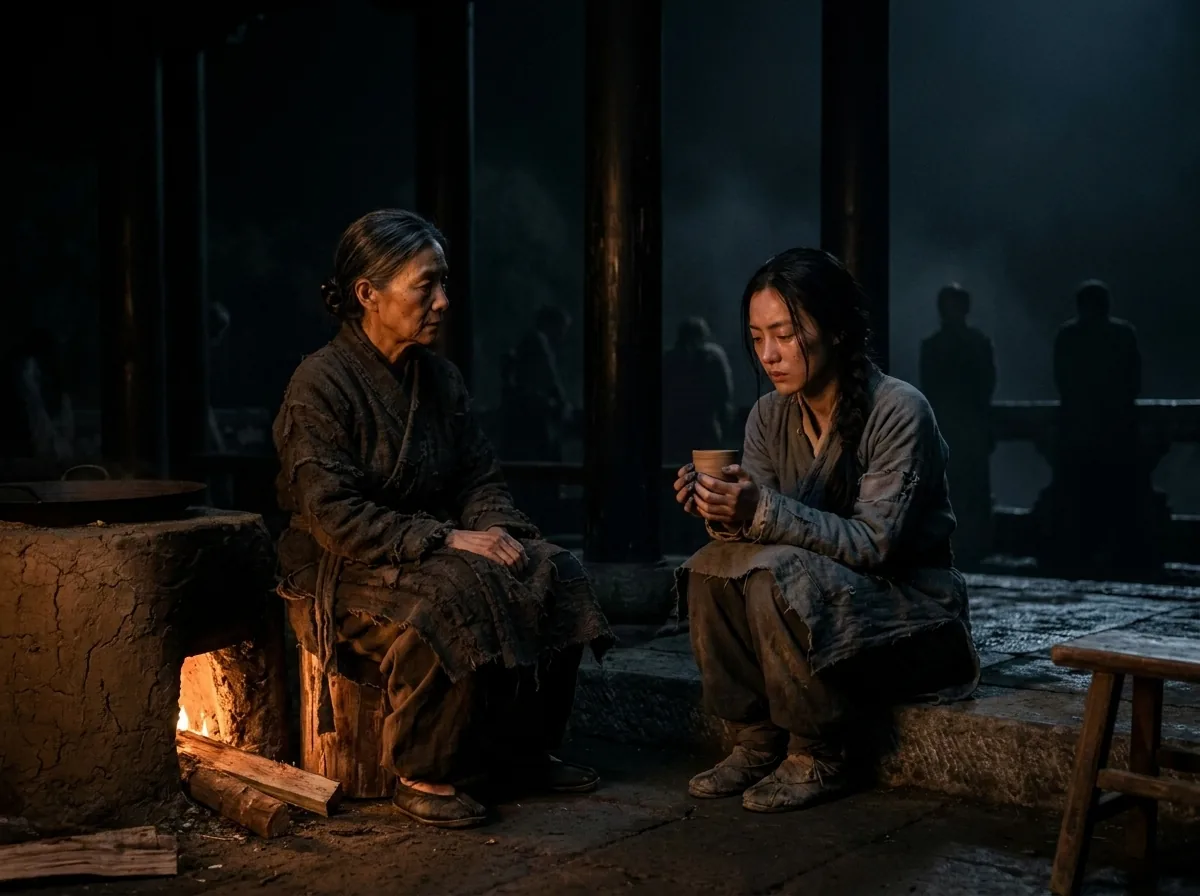
Souls who said proper goodbyes in life dissolve peacefully after the soup; those torn away in fear, humiliation, or solitude leave sharp, unclaimed eddies behind. A-Lan, lingering too long at the bridgehead, begins forgetting her own mother's face and confesses she is terrified that without the child's voice, nothing of her will remain.
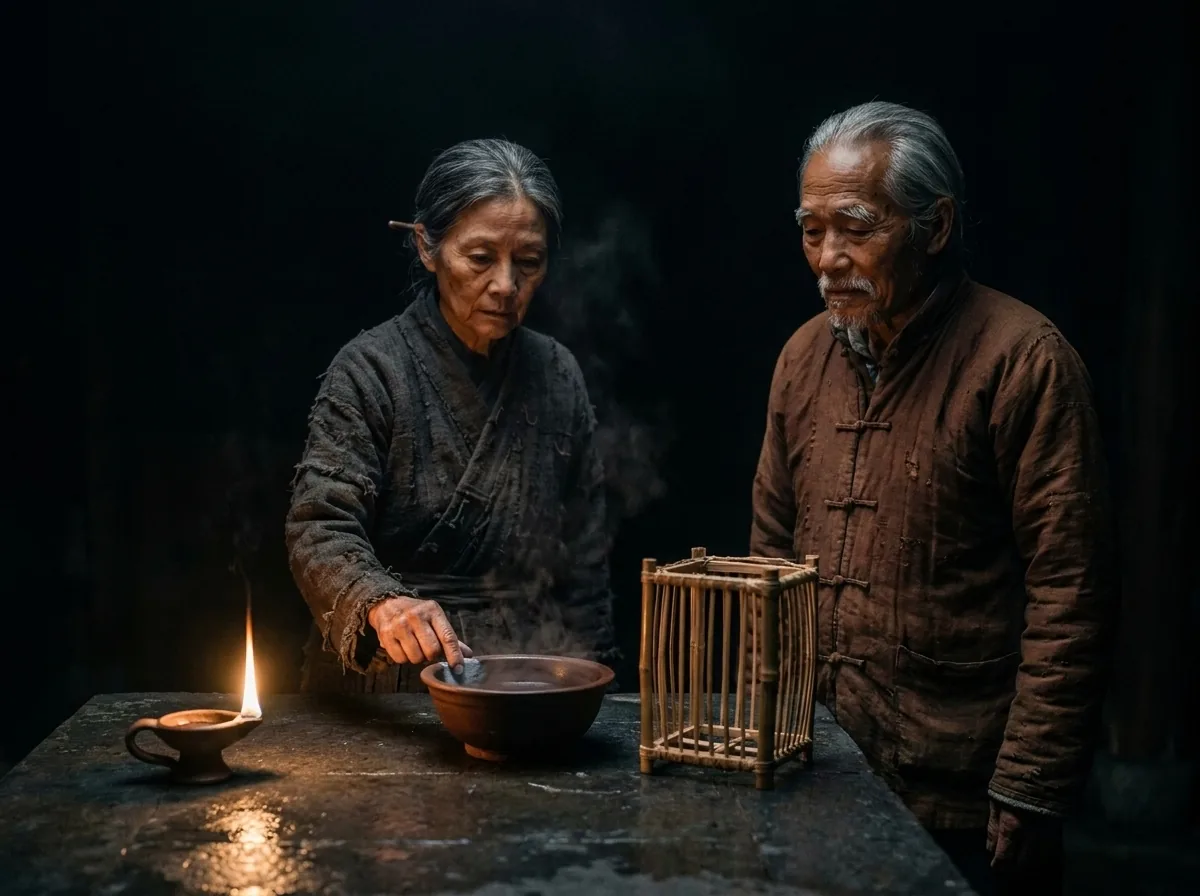
At the riverbank shallows, A-Lan realizes the child's voice is not her own past, but the shared echo of thousands of unacknowledged goodbyes—while Meng Po catches a familiar cadence from her own forgotten life. To let Old Shen cross in peace, she performs the forbidden Memory Trade, giving him one enduring ember at the irreversible cost of her own mortal courtyard memories.
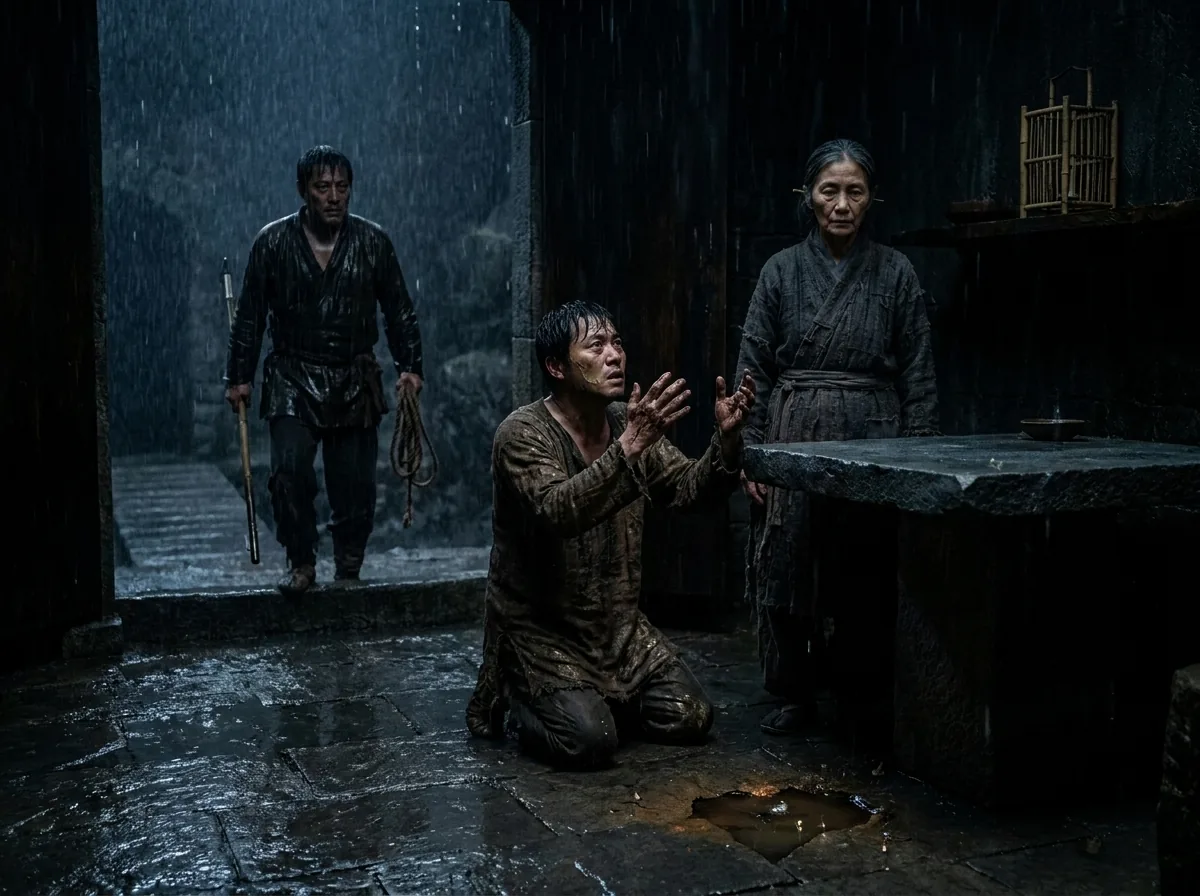
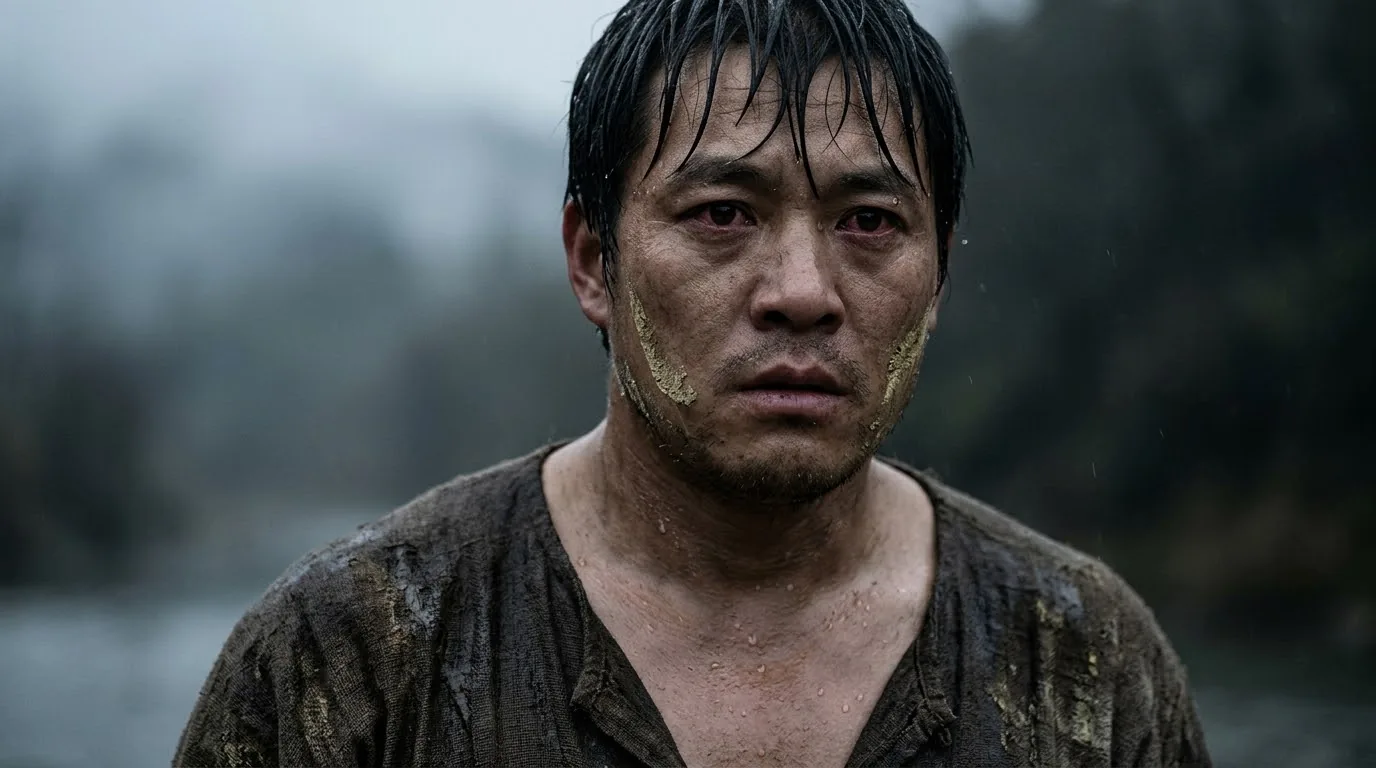
Whispers spread through the mist that the keeper of the bridge can let the dead keep a fragment of truth. When wheelwright Song Ming arrives believing he died in vain trying to save a neighbor's child, Meng Po trades her sensory memories of mortal markets and winter roasted chestnuts to grant him peace—drawing a grave warning from the Ferryman.
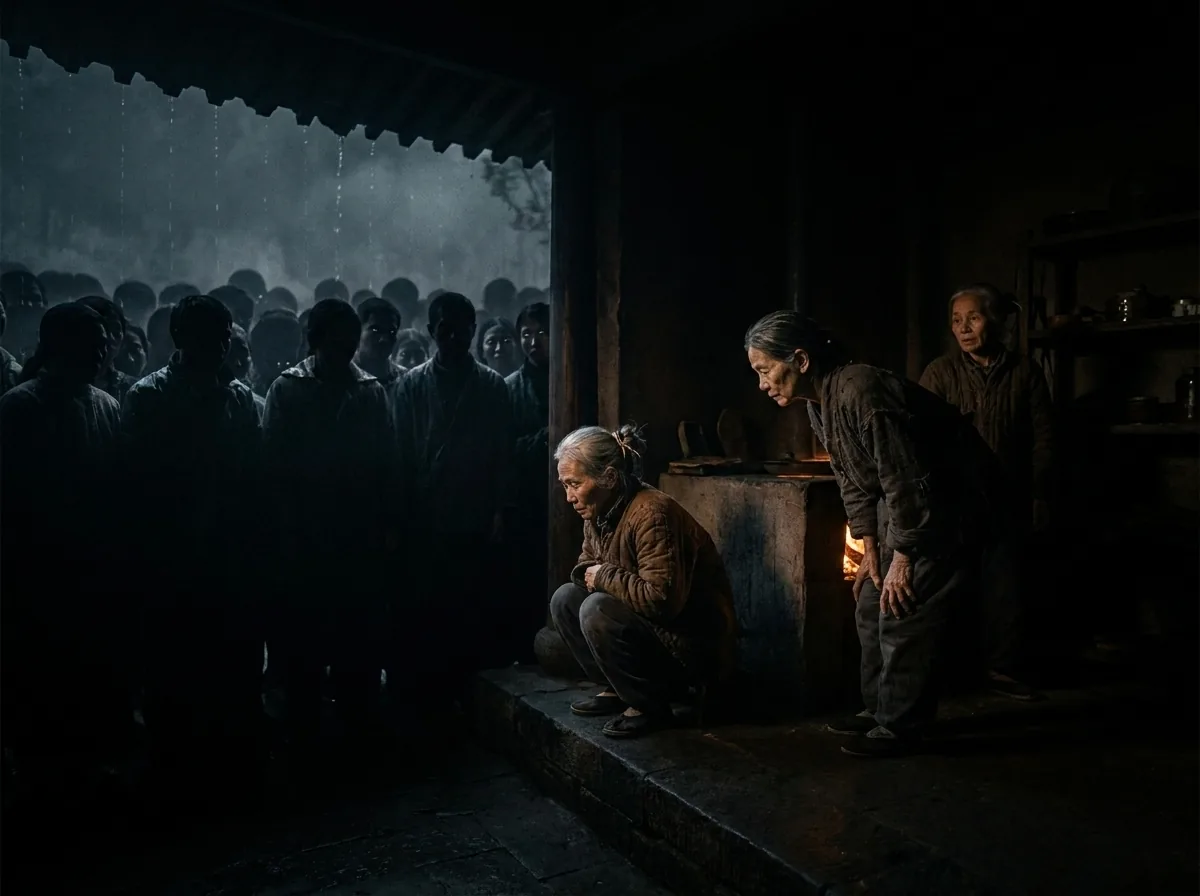
Over a hundred souls crowd the bridgehead begging to keep lovers' names or enemies' faces. Forced into an impossible moral triage, Meng Po refuses a vengeful merchant but grants quiet Auntie Qi a single seal—losing her memory of the Ferryman's oldest kindness and terrifyingly realizing she can barely remember Old Shen's face.
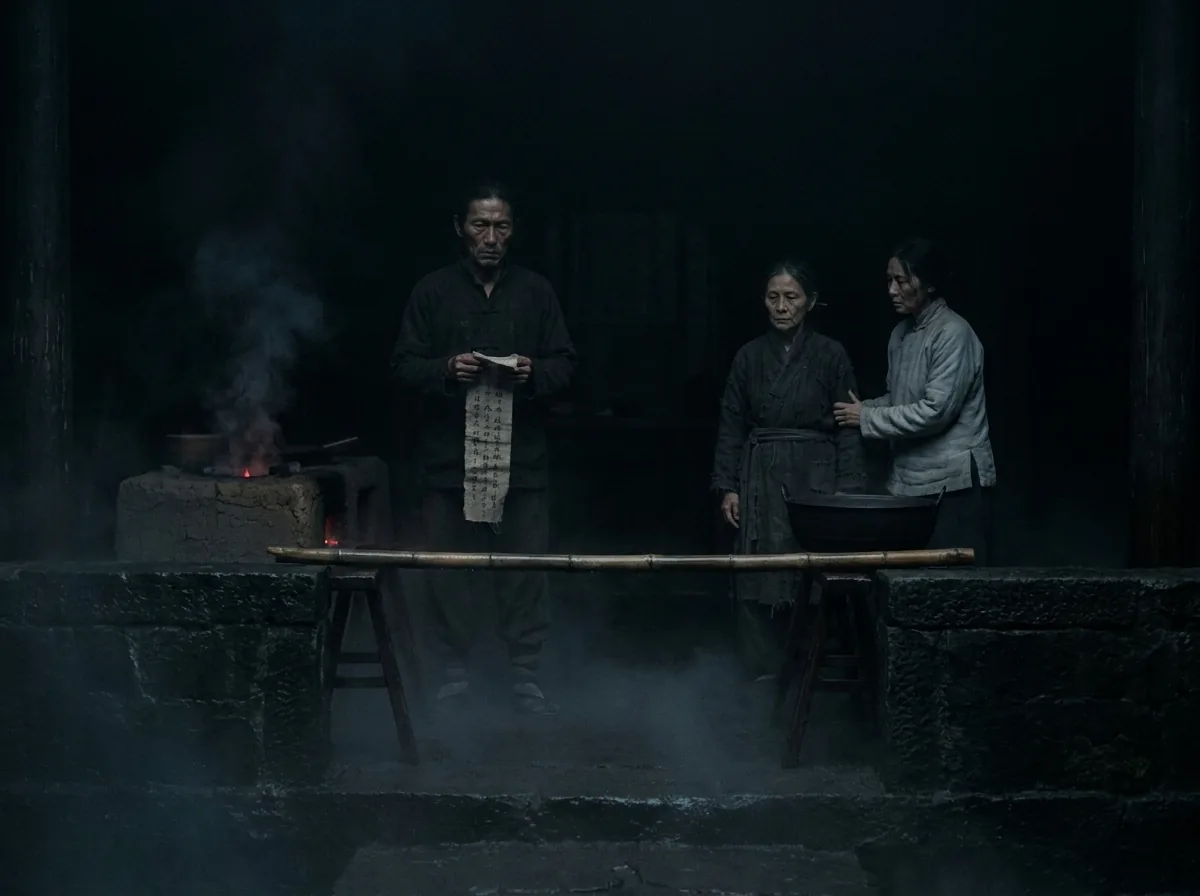
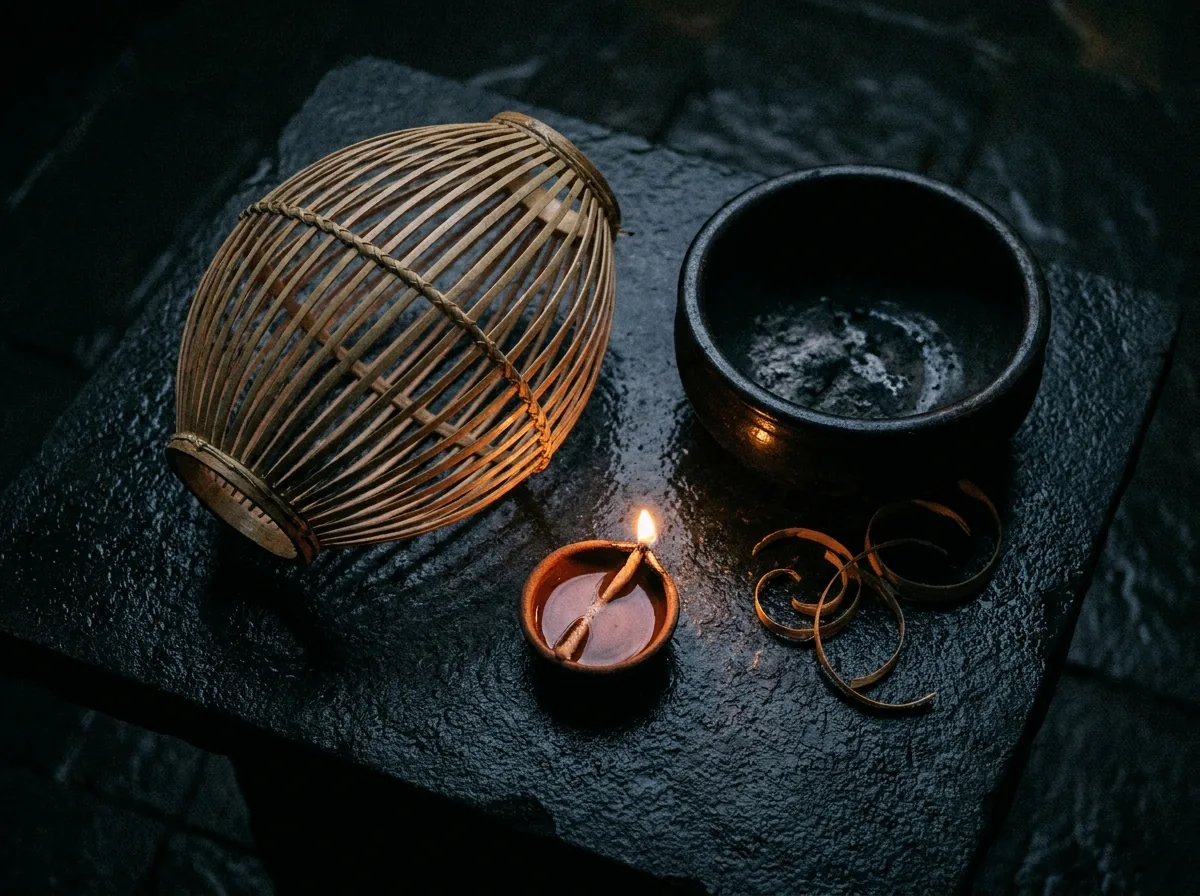
With the hearth embers dying and river mist swallowing the bridge rails, the Ferryman prepares to seal the pavilion and enforce the old law before Meng Po hollows herself out completely. Stopping him without force, Meng Po confronts both failures—forced forgetting and self-destructive triage—and grasps what the dead truly need.
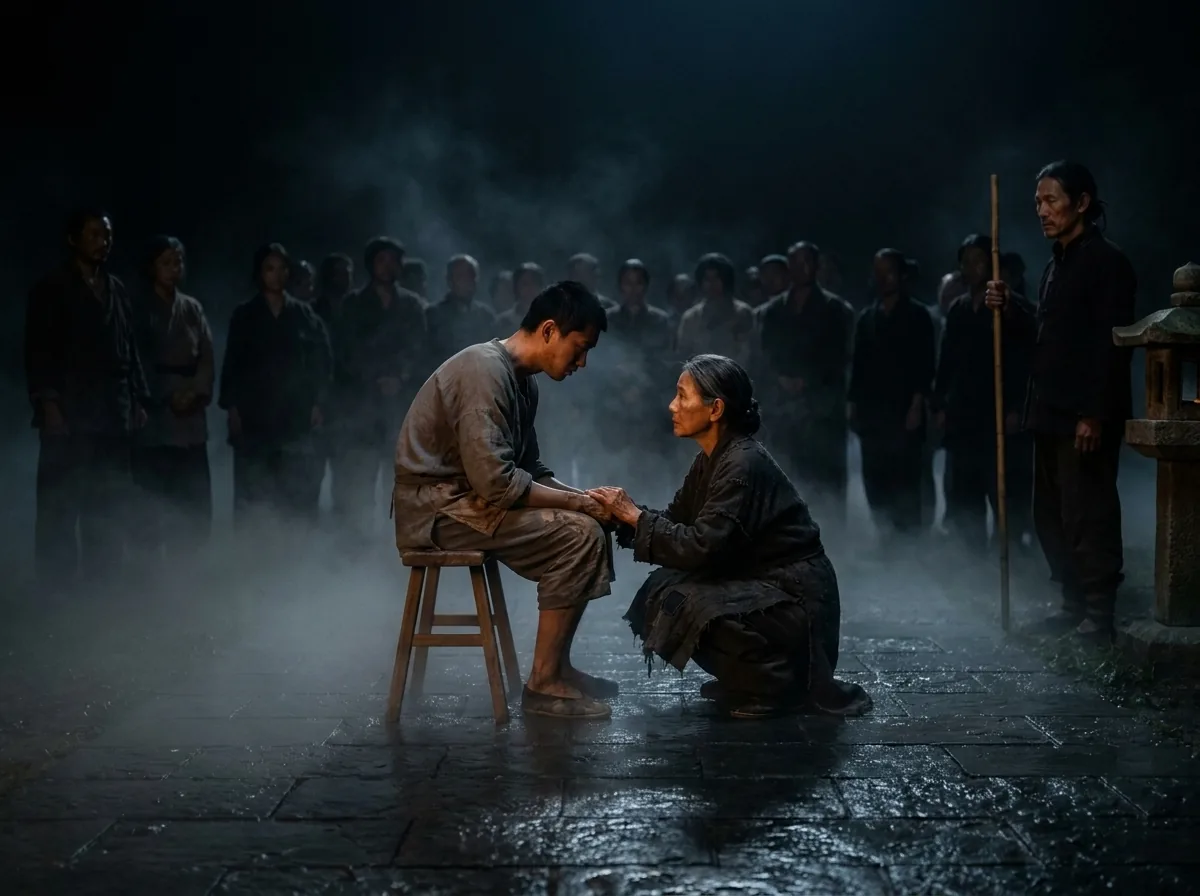
As centuries of unclaimed grief surge onto the stone bridge, Meng Po sets down her ladle and kneels before the most terrified soul—asking him to speak one thing he fears having erased so she can bear witness that it truly happened. Once heard, he lifts the clay bowl of his own free will, calming the river mist.
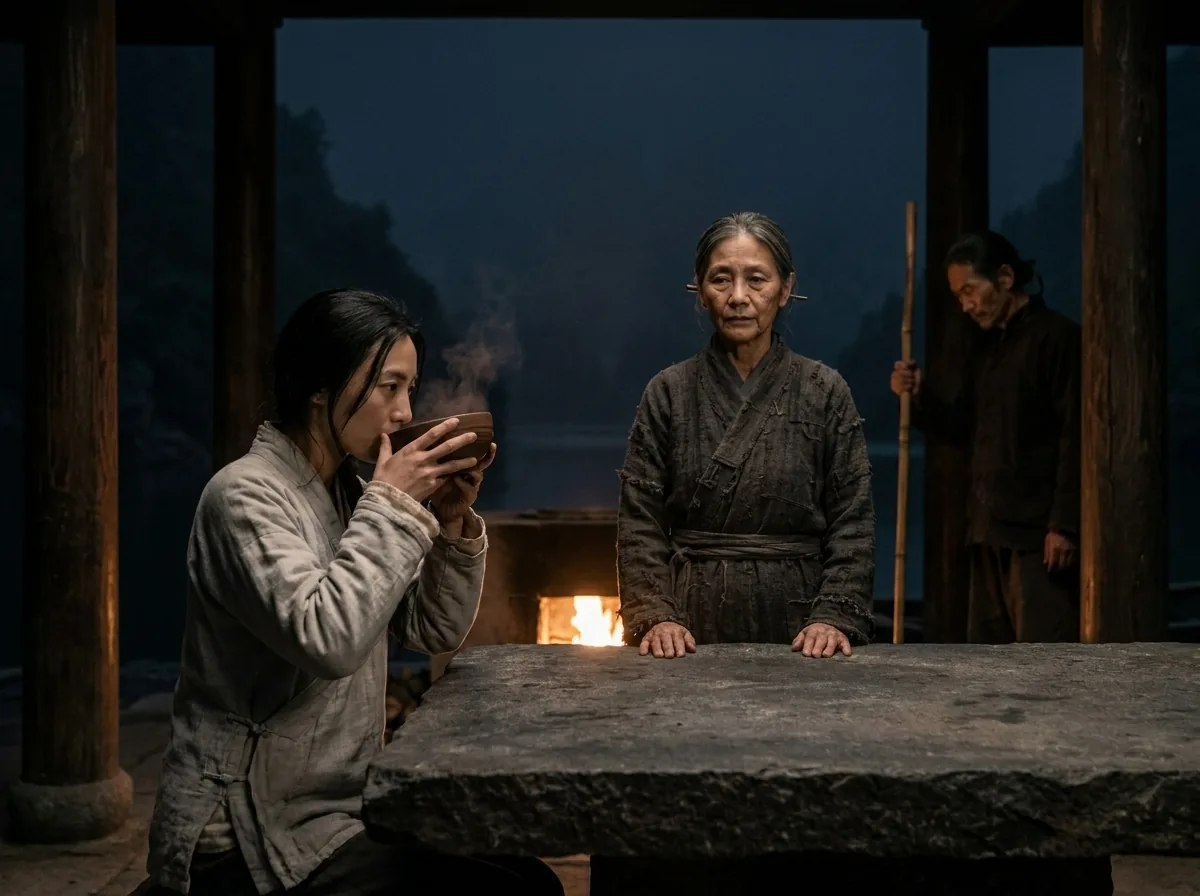
A-Lan, nearly dissolved by lingering too long, chooses neither sorrow nor her lost biography, but the simple truth that her life was hers. To steady her final crossing, Meng Po surrenders her very last mortal memory—the warmth of a small hand resting in hers by a hearth—discovering that losing her past does not destroy who she chooses to be.
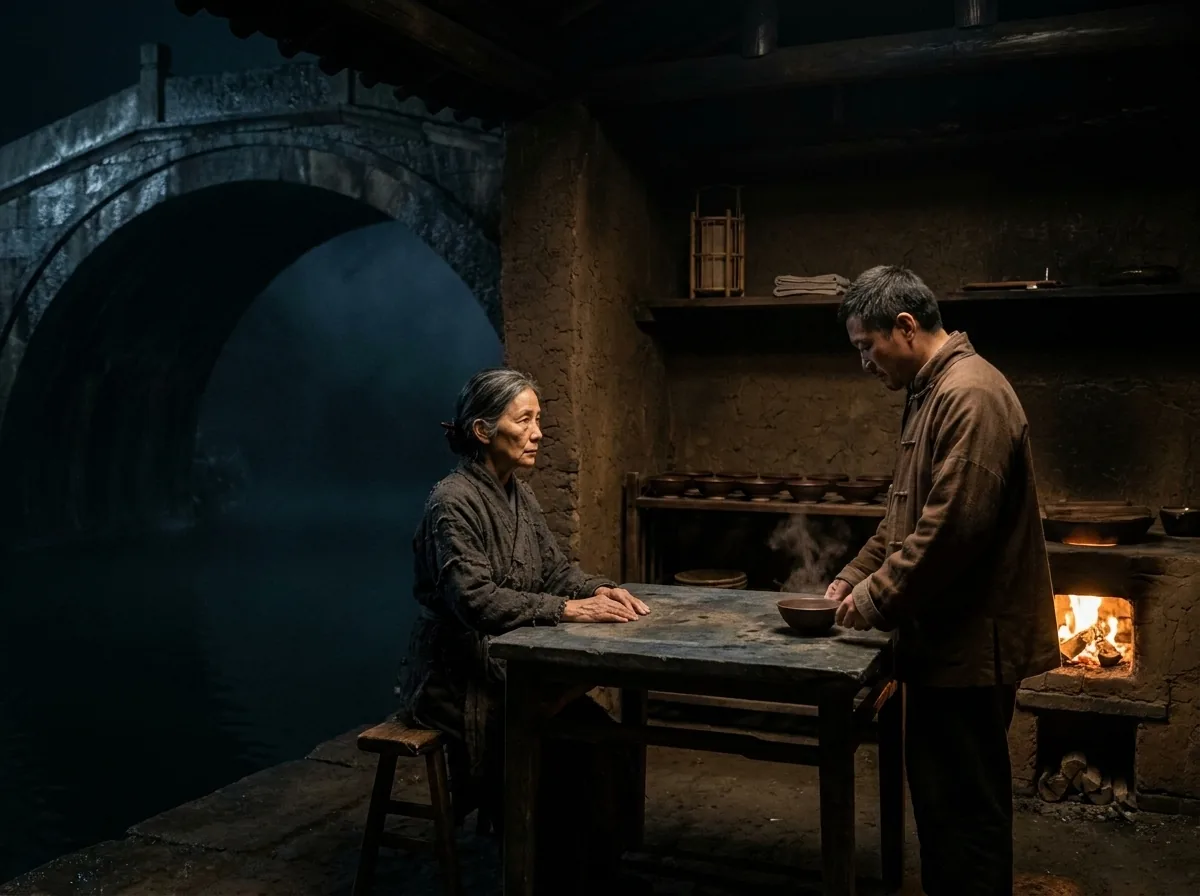
Beneath the unchanging pre-dawn sky, the Ferryman sets upright the second wooden stool that sat empty for centuries. When a new soul approaches the stone table and quietly asks, 'Must I forget?', Meng Po sits down at eye level for the first time and replies: 'You may. But first, tell me what you are afraid to lose.'