
Life is not ownership
A parent may love a child without possessing the life that child must live.
PARDPro Cultural · Book 03
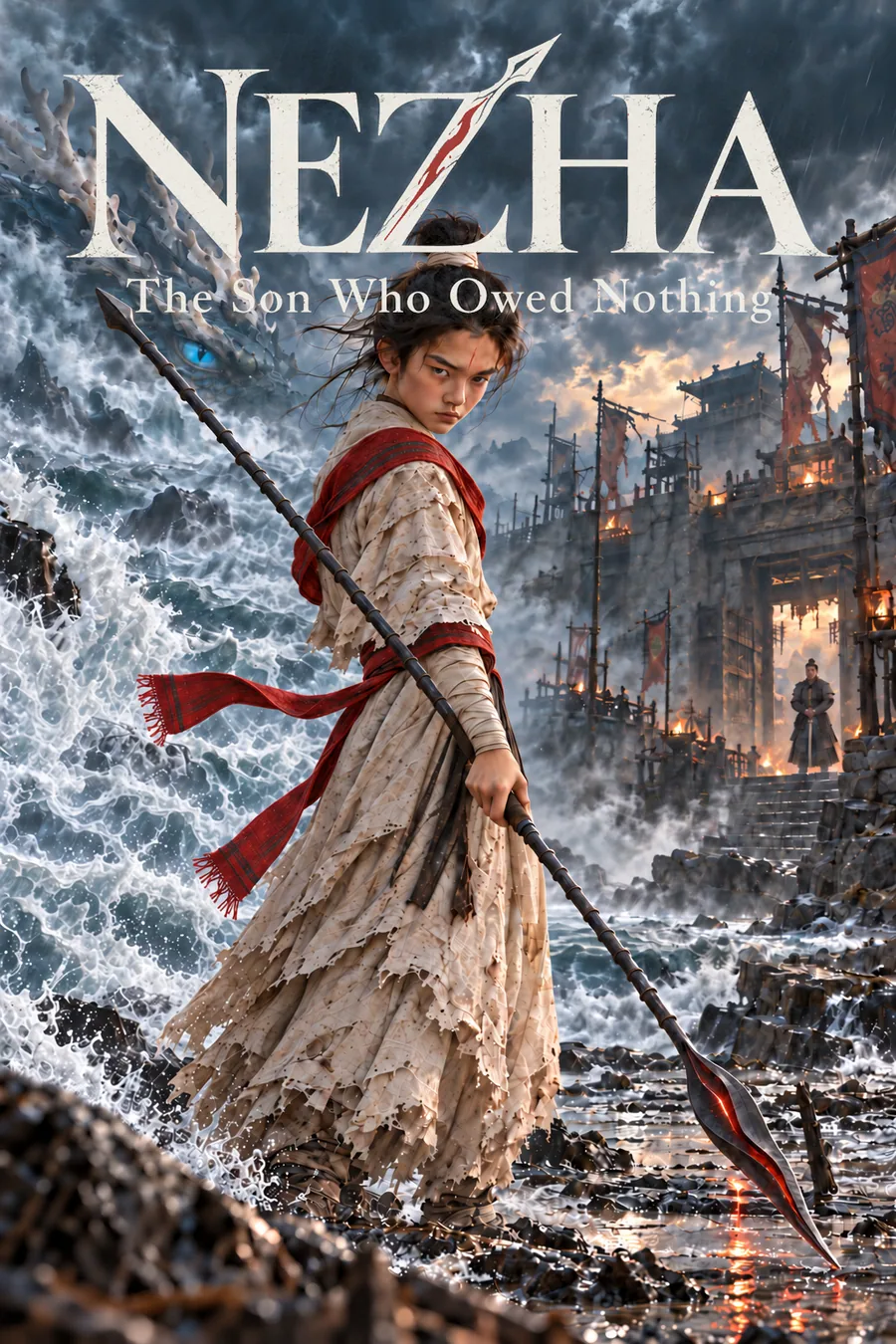
The Son Who
Owed Nothing
After killing the Dragon King's son, a divine child gives up his life to spare his family—only to return in a body of lotus and discover that death has settled none of the debts between them.
The moral architecture
This is not a story about escaping every bond. It is about learning the difference between being owned and being accountable—and choosing restraint when raw power would be easier.
A parent may love a child without possessing the life that child must live.
To reject control does not erase the harm created by one's own choices.
Sacrifice changes the terms of the conflict, but consequence survives the body.
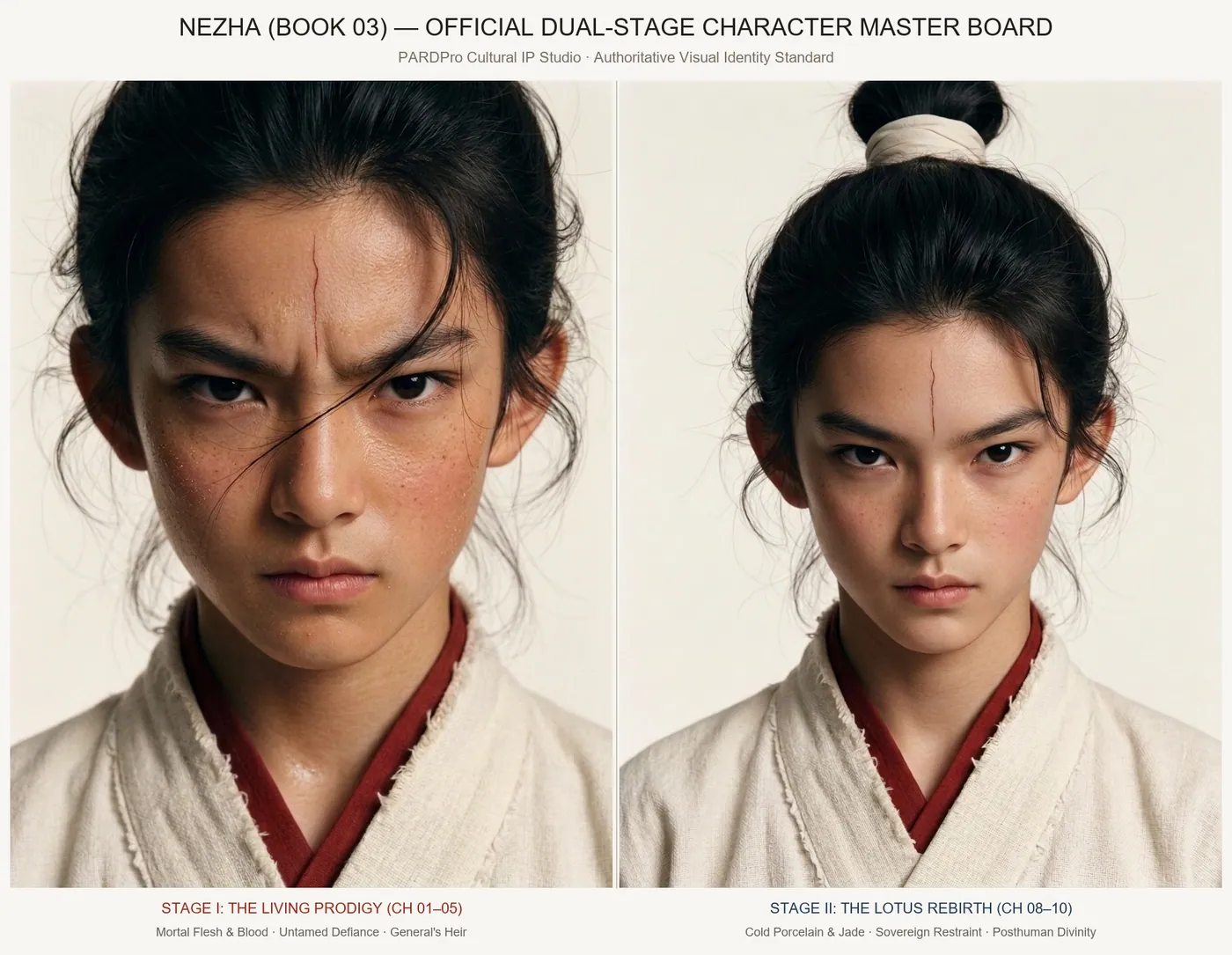
Identity study
The living body holds impulse, inherited force, and the certainty of youth. The lotus body returns with unfamiliar weight: neither disguise nor upgrade, but a second material existence that makes continuity itself a question.
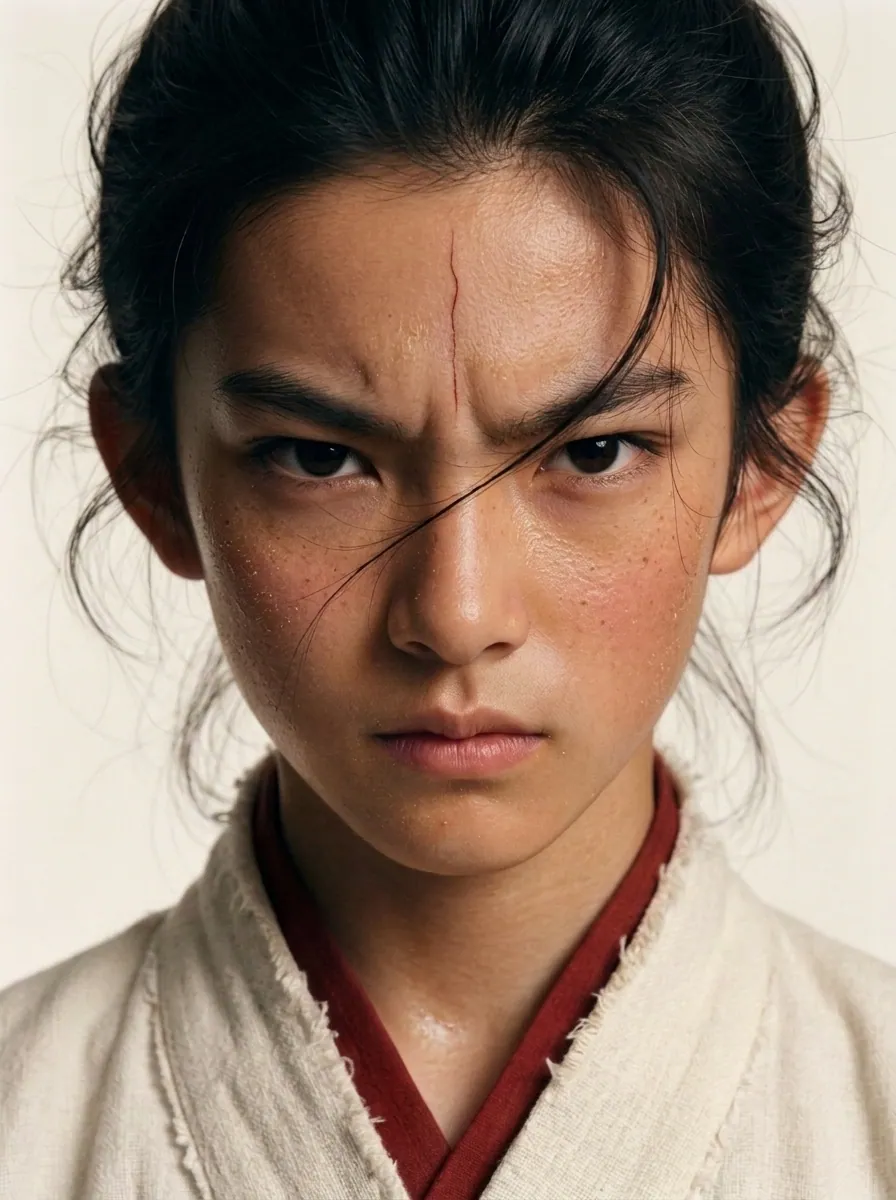
Power arrives before wisdom.
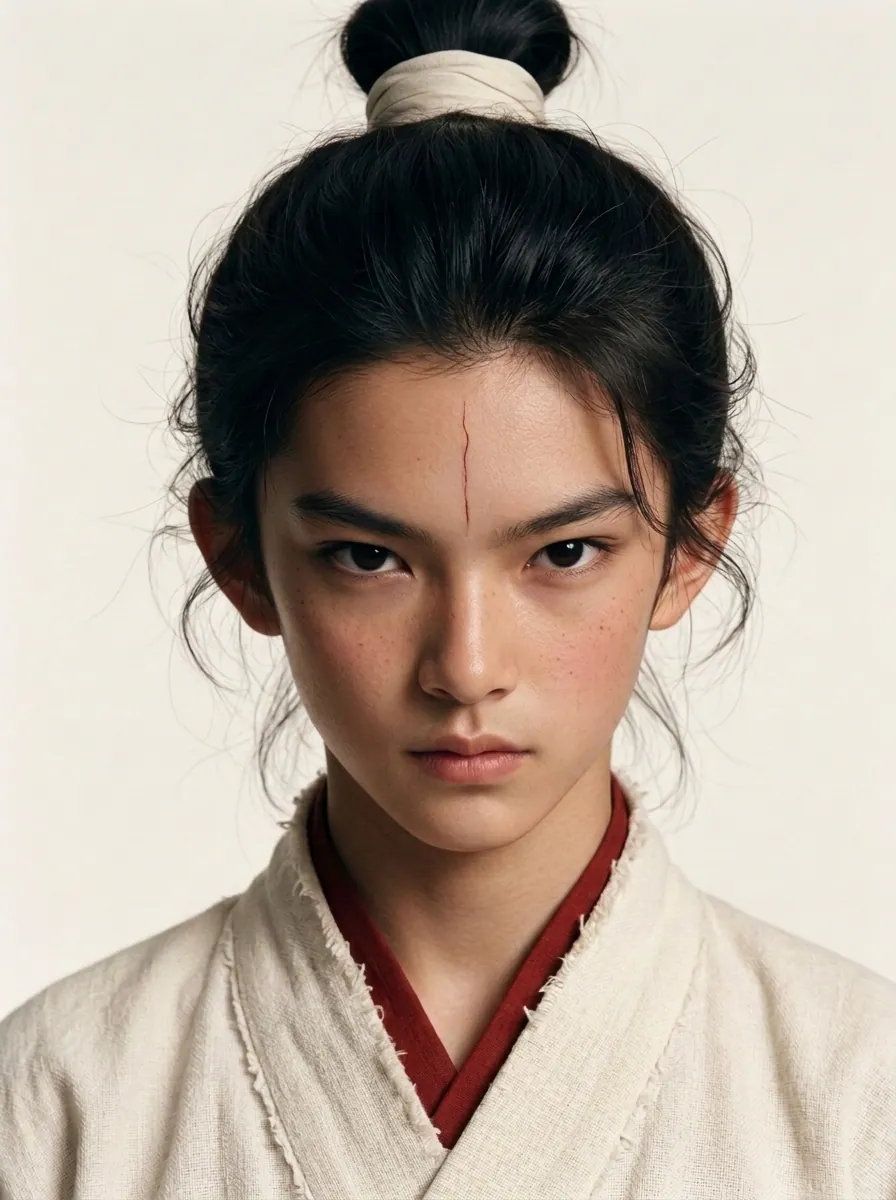
Return begins after certainty ends.
The people inside the debt
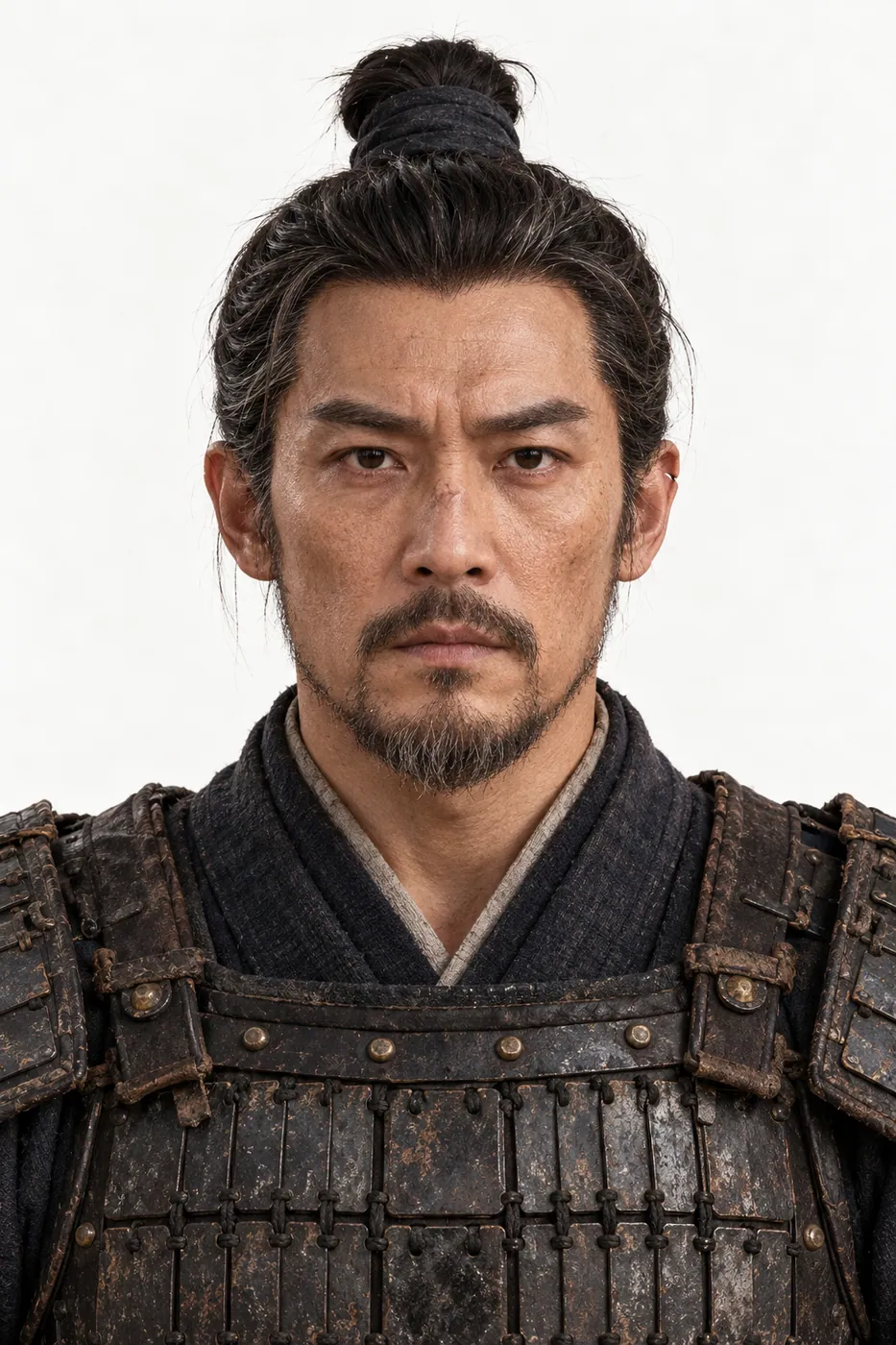
Father · Commander
A guardian of Chentang Pass whose duty to the city collides with his need to control his son.
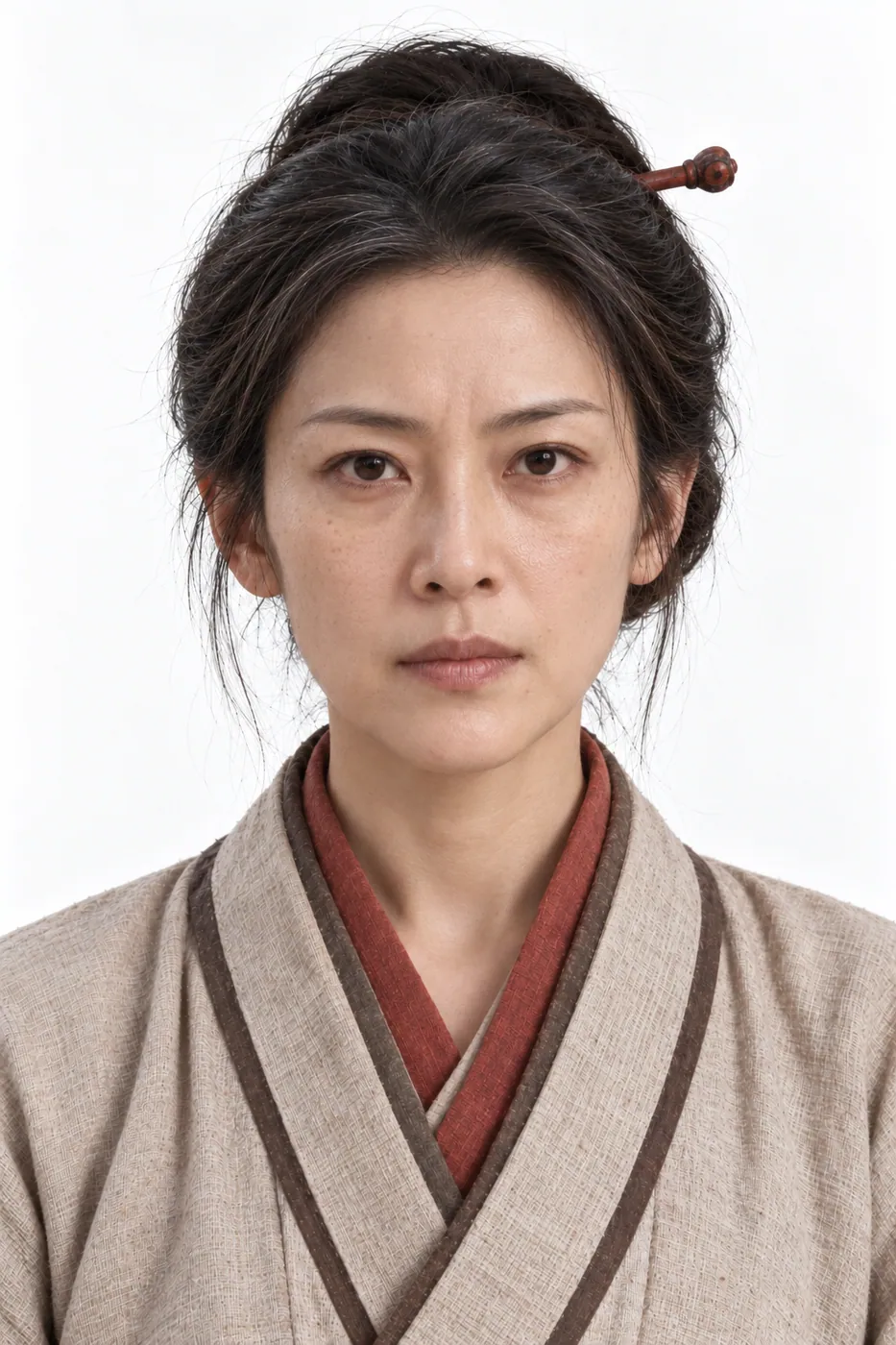
Mother · Builder
She refuses passive grief, preserving Nezha's memory and building the path toward his return.
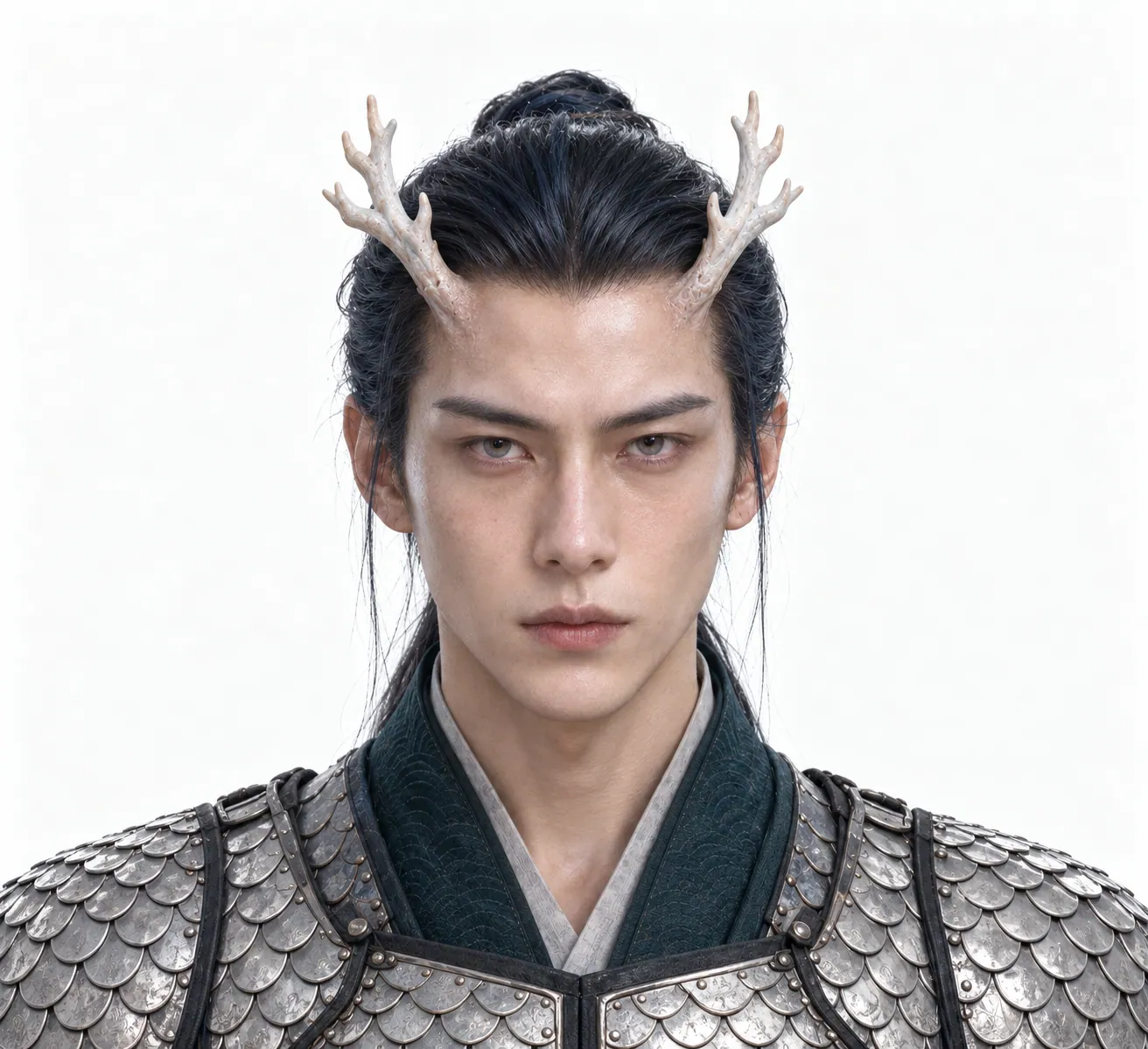
Dragon Prince · The Irreversible Loss
His death is not revised into friendship. It is the consequence around which every later choice turns.
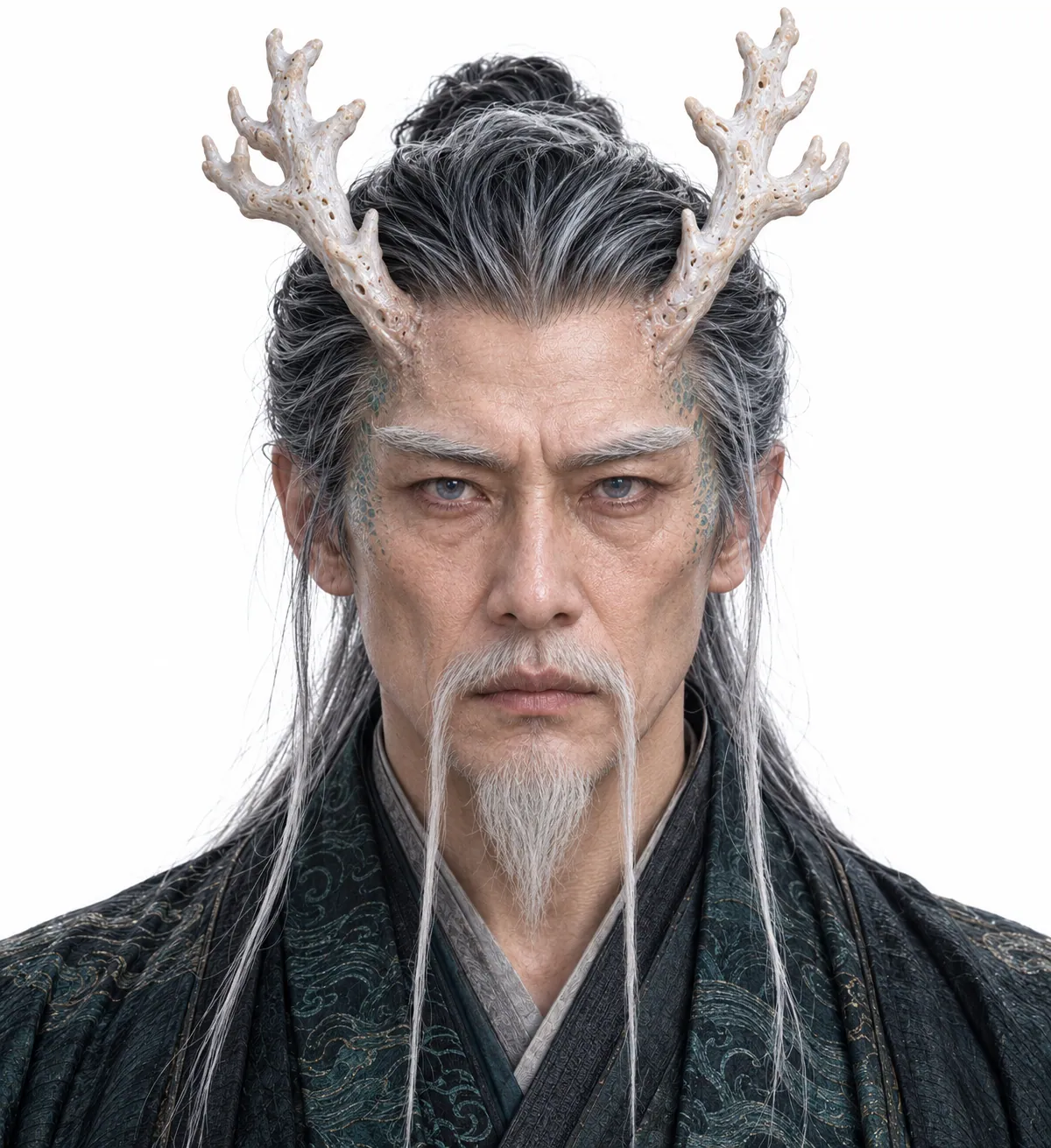
Dragon King · Grieving Father
His claim begins in legitimate grief; his threat against the innocent reveals where grief becomes vengeance.
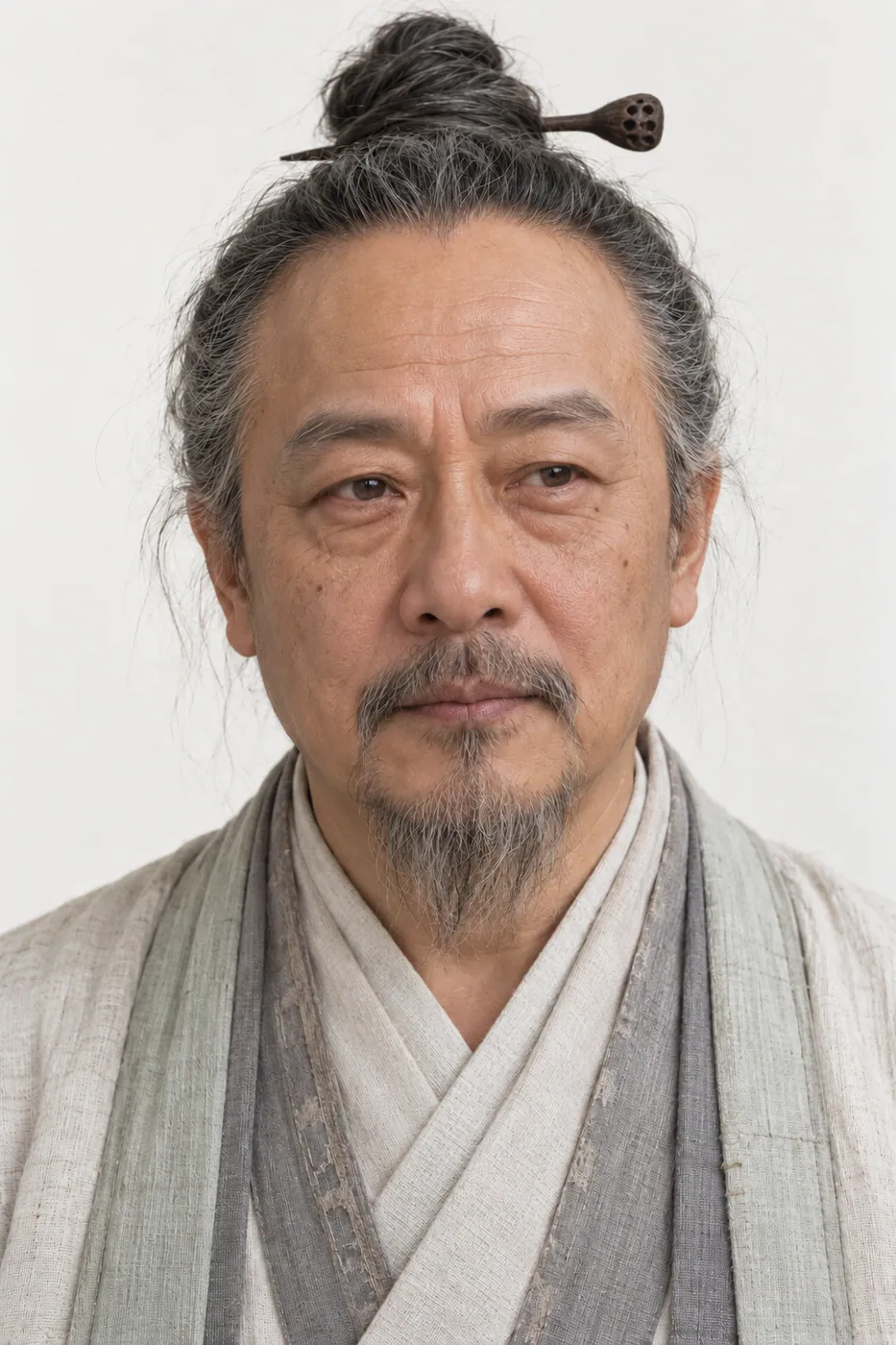
Teacher · Accountable Creator
He gave Nezha power and later a lotus body. Neither gift frees him from responsibility.
Ten-chapter story architecture
A child arrives already carrying the shape of violence.
Power appears before restraint has had time to grow.
One irreversible act turns freedom into debt.
A father's loss becomes a claim against an entire city.
Nezha chooses death to spare the family he refuses to own.
Lady Yin carries grief into action rather than silence.
Memory, devotion, and authority collide.
Return is possible, but the new body is not the old life.
Survival does not erase what the family has done.
Freedom becomes a choice made with full knowledge of its cost.
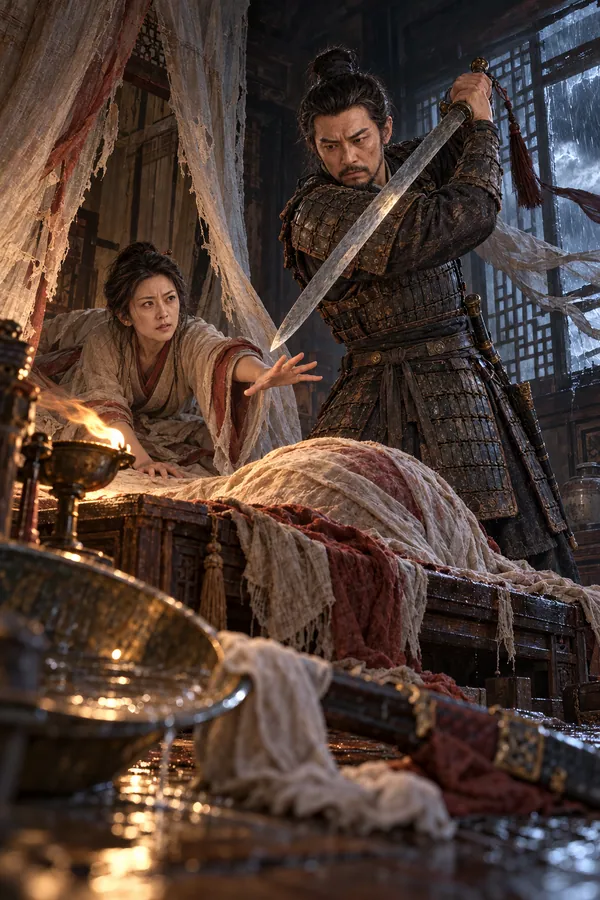
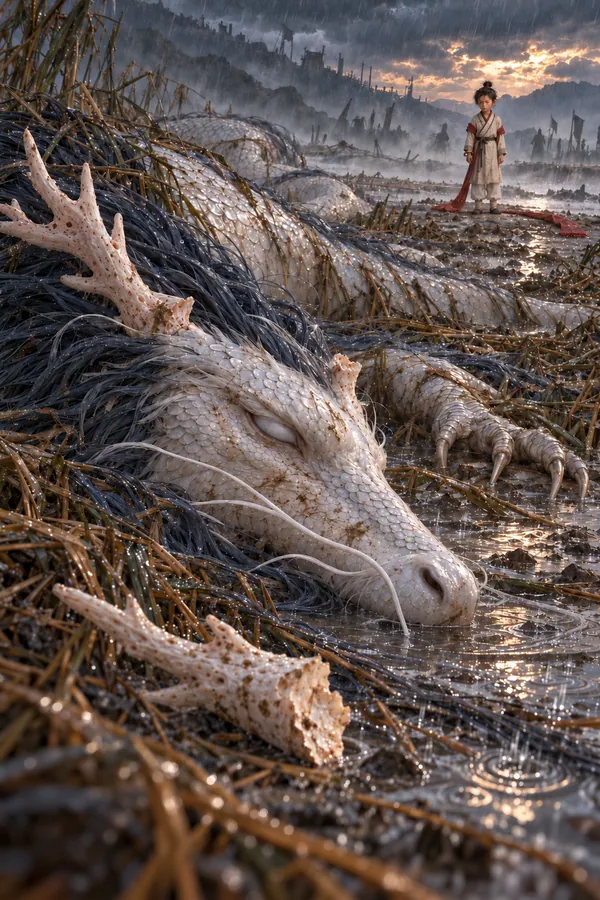
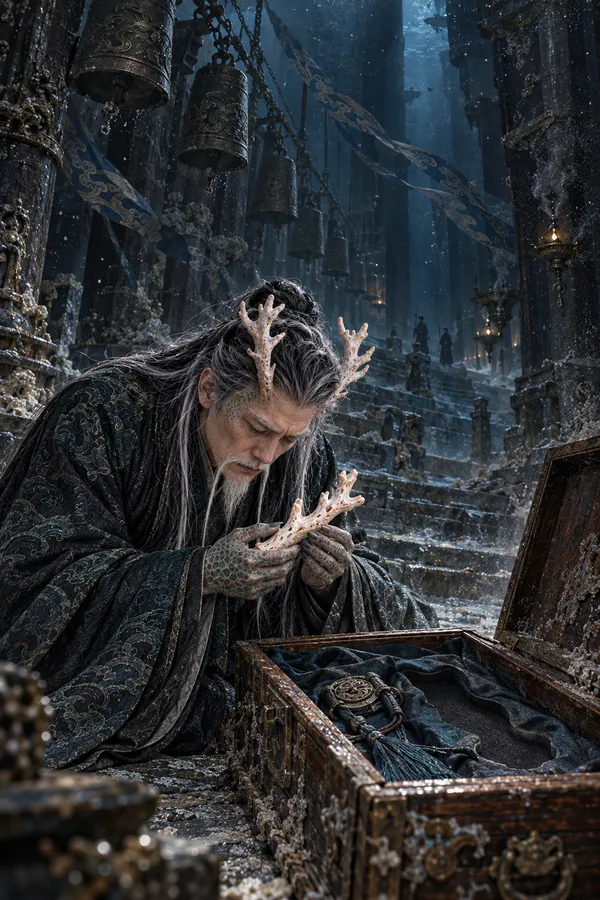
Selected chapter paintings
Water carries weight. Mud records force. Cloth, iron, stone, and bone bear the cost of every decision.
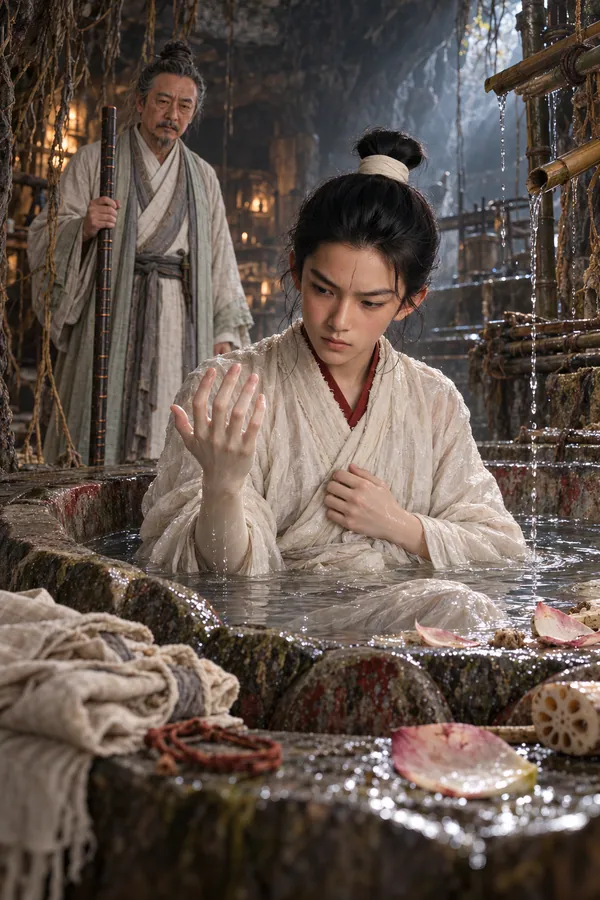
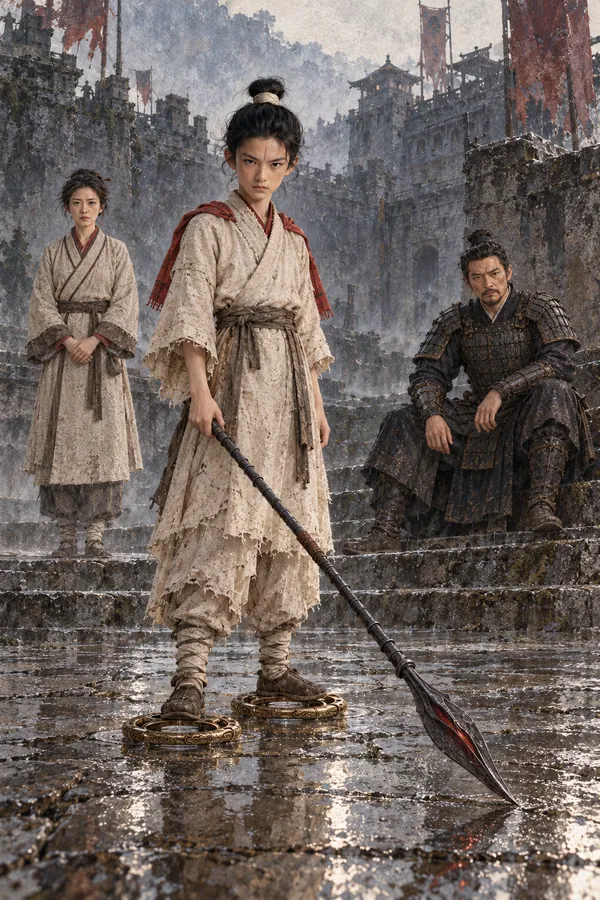
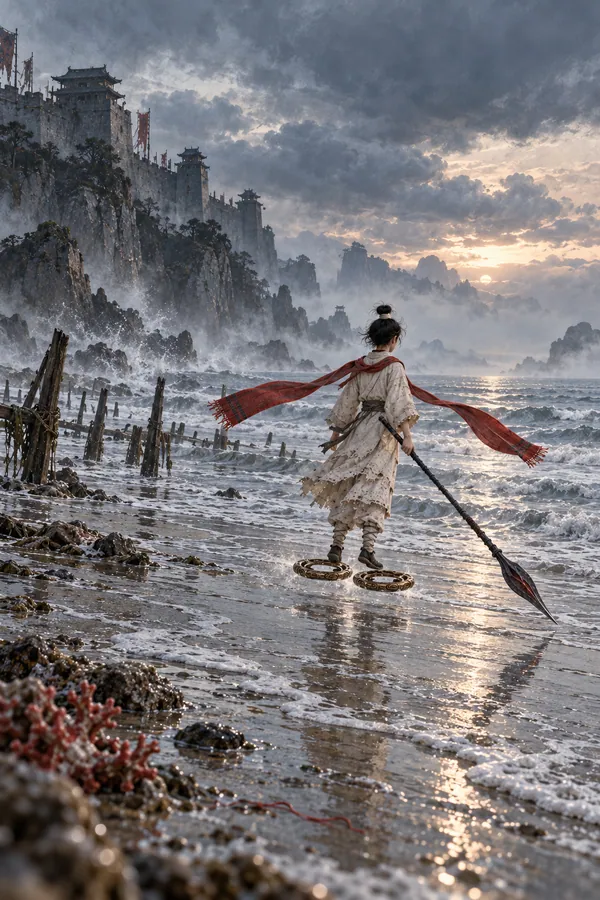
World evidence
Five production artifacts anchor the myth in physical records, damaged objects, and contested evidence.
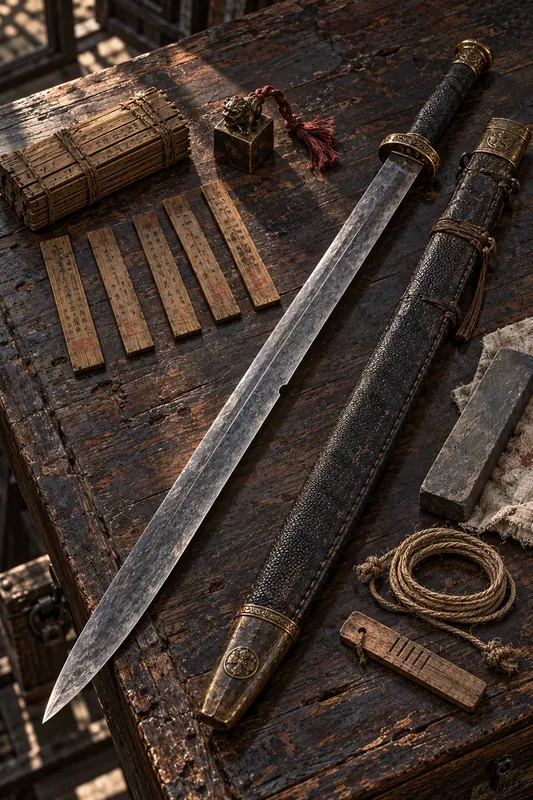
Authority made physical—and already damaged.
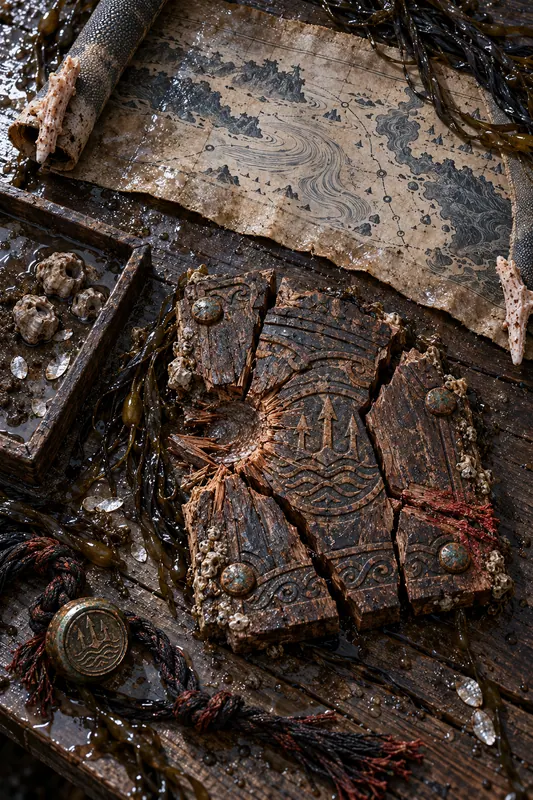
The coast records pressure long before catastrophe arrives.
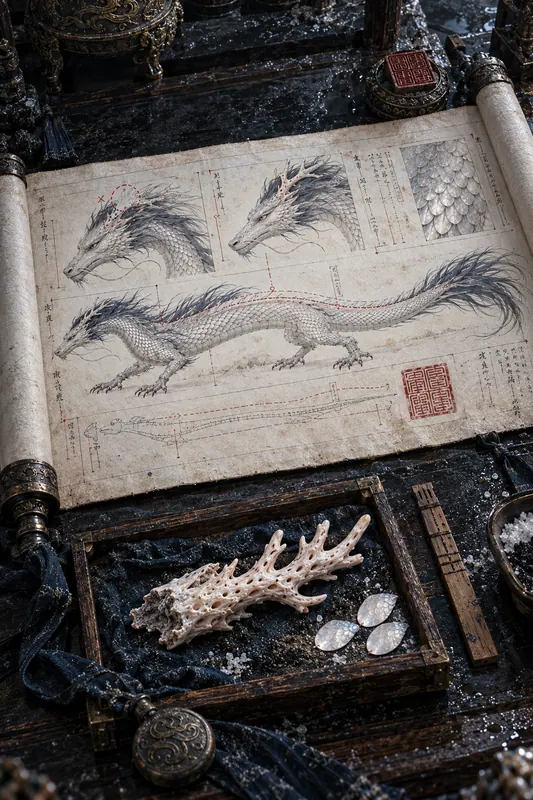
An official record cannot make violence morally simple.
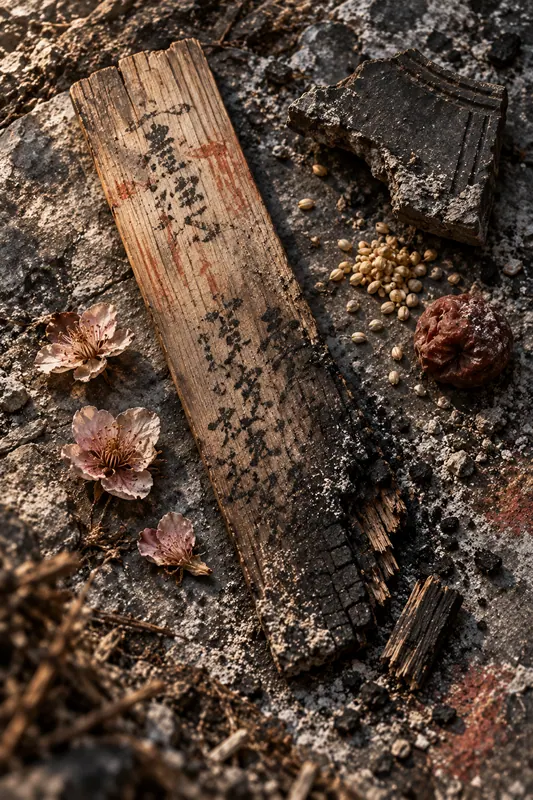
Private grief becomes a public act of remembrance.
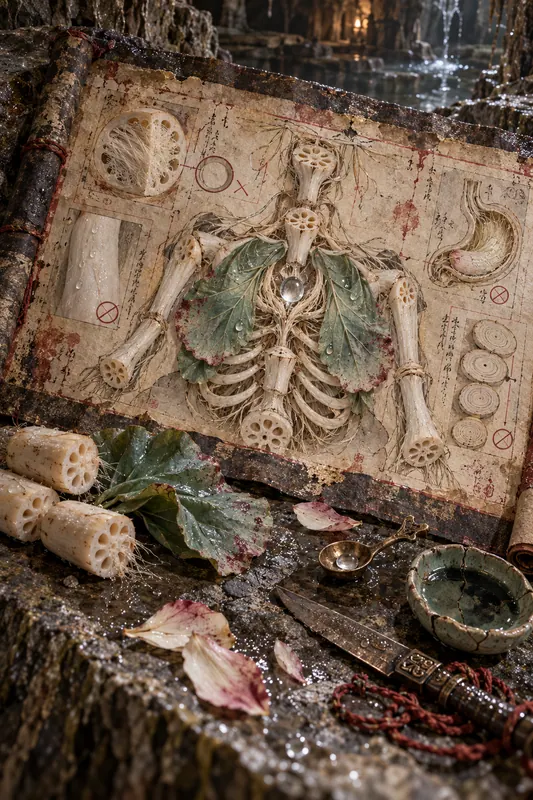
Rebirth documented as an uncertain construction, not a reward.
The adaptation, its source, its visual canon, and the publication status.
No. This is an independent English-language literary adaptation rooted in the public-domain Chinese classic The Creation of the Gods, especially the Nezha cycle in Chapters 12–14. Its characterization, visual language, and narrative structure are original to this edition.
PARDPro Cultural · Book 03
The button will become a verified purchase link after Amazon approves the official listing.
Explore PARDPro Cultural